Helpline

0300 111 1234

Medicines to avoid if you have ADPKD

Medicines to avoid if you have ADPKD

This webpage is for people with autosomal dominant polycystic kidney disease (ADPKD), their families, friends and carers. It explains which medicines you may need to avoid if you have ADPKD.

Contents

Introduction

ADPKD often leads to the kidneys not working as well as usual, especially as people get older. This is known as reduced kidney function or chronic kidney disease.

If you have ADPKD and reduced kidney function, some drugs might be unsuitable for you. You might also need to take some medicines at a lower dose than standard. Your doctor can advise you on this.

A picture of a person taking a tablet

Before taking any medicine check with your kidney doctor, GP or pharmacist that the medicine is safe for you. This includes medicines you can buy without a prescription.

Medicines to avoid

If you have reduced kidney function, you should only use these medicines if your doctor says it’s okay:

  • non-steroidal anti-inflammatory pain killers, for example:
    • ibuprofen (Nurofen®, Advil®, Brufen® and other brands)
    • diclofenac (Voltarol® and other brands)
    • high doses of aspirin
  • treatments for indigestion that contain potassium, aluminium, sodium or magnesium
  • a medicine for heartburn (acid reflux) called cimetidine (Tagamet® and other brands)
  • decongestants such as pseudoephedrine (Sudafed® and other brands)
  • any medicine that you dissolve in water that fizzes (an effervescent) as these tend to contain sodium

If you have good kidney function, your doctor might say some of these medicines are okay for you to use. Never use them without checking first with a doctor or pharmacist.

There may be other medicines you need to avoid that are not listed here. Ask your doctor or pharmacist for advice before taking any medicines.

What doses of aspirin are okay to use?

Low doses of aspirin are 150 mg a day or less.

A doctor may advise you to take low-dose aspirin to reduce your risk of:

  • cardiovascular disease (if you’re at increased risk)
  • a problem called pre-eclampsia that can occur during pregnancy

Experts say all women with ADPKD who are pregnant should take low-dose aspirin from week 12 to 36 of pregnancy.

Only take low-dose aspirin if a doctor advises you to. They’ll explain the risks and benefits. Only take aspirin at the dose they recommend and for as long as they advise.

When aspirin is used as a painkiller, people take a higher dose (for example, 300 to 600 mg every 4–6 hours). People with reduced kidney function should usually avoid taking high-dose aspirin.

Why are some medicines unsafe for me?

Some medicines may not be safe for you if you have ADPKD because:

  • Your kidneys might not clear the medicine out of your body quickly enough, which could lead to side effects.
  • The medicine might damage your kidneys.
  • The medicine might not work properly.
  • It might contain ingredients that you should avoid (such as sodium).

Although there are certain medicines you should avoid, this doesn’t mean you have to cope with untreated symptoms. Ask your doctor which medicines you can use instead.

More from the PKD Charity

More information

The photos on this webpage are freely available on Pexels.com. The medical history of the persons shown is unknown.

Further Information

All of our publications are based on references but these are removed for ease of reading on our webpages. A version of this webpage with references included is available upon request by emailing [email protected]

Authors and contributors

Adapted by Hannah Bridges, PhD, Medical Writer, HB Health Comms Ltd, from the longer resource Medications to treat ADPKD.  

With thanks to all those affected by ADPKD who contributed to this publication.

Ref No: ADPKD.MTA.V2.0

Last Updated: © September 2025 (v2.0).

Due for medical review: September 2028.

Disclaimer:  This information is primarily for people in the UK. We have made every effort to ensure that the information we provide is correct and up to date. However, it is not a substitute for professional medical advice or a medical examination. We do not promote or recommend any treatment. We do not accept liability for any errors or omissions. Medical information, the law and government regulations change rapidly, so always consult your GP, pharmacist or other medical professional if you have any concerns or before starting any new treatment.

We welcome feedback on all our health information. If you would like to give feedback about this information, please email [email protected]

If you don't have access to a printer and would like a printed version of this information sheet, or any other PKD Charity information, call the PKD Charity Helpline on 0300 111 1234 (weekdays, 9am-5pm) or email [email protected]

The PKD Charity Helpline offers confidential support and information to anyone affected by PKD, including family, friends, carers, newly diagnosed or those who have lived with the condition for many years.

Read more …Medicines to avoid if you have ADPKD

Kidney failure

Kidney failure

This information is for people with autosomal dominant polycystic kidney disease (ADPKD) who are nearing, or have, kidney failure. It’s also for their families, friends and carers. Read here what kidney failure is, how it’s diagnosed and treated, and how it may affect your life.

Contents

Key facts

  • Kidney failure means your kidneys are doing less than a sixth of the work of healthy kidneys.
  • At this point, they can no longer clean your blood properly or remove enough water.
  • Kidney failure can also lead to anaemia, high blood pressure and overactive parathyroid glands.
  • On average, people with ADPKD reach kidney failure at about age 55 or 60 years.
  • The timing differs from person to person and some never get kidney failure.
  • Your kidney doctor can predict whether you’re likely to get kidney failure in the next few years.
  • They can diagnose kidney failure using a blood and urine test.
  • Treatment options are a kidney transplant, dialysis, or treatment for symptoms only (conservative care).
  • A kidney transplant is usually the best option — it can extend your life and improve your quality of life.
  • Dialysis can also extend your life.
  • Living with kidney failure can be a lot to adjust to. You can still lead a good life.

What is kidney failure?

Kidney failure means your kidneys are doing less than a sixth of the work of healthy kidneys. It’s also known as end-stage kidney disease or stage 5 chronic kidney disease.

Doctors diagnose kidney failure when a person’s estimated glomerular filtration rate (eGFR) is below 15 millilitres per minute. eGFR is a measure of how well your kidneys are working. We explain it later on this page.

Failing kidneys struggle to:

  • filter toxins, salts, minerals (such as potassium and phosphorus) and acid from your blood
  • remove extra water from your body
  • tell your body to make red blood cells
  • control your blood pressure

Toxins, minerals and extra water can collect in your body. This is called uraemia. It can make you unwell.

On average, people with ADPKD reach kidney failure at about age 55 or 60 years. The timing differs a lot from person to person.

Some people with ADPKD never get kidney failure.

What are the symptoms of kidney failure?

Most people only get symptoms when their eGFR has fallen below 15 millilitres per minute. Kidney doctor Grahame Wood tells us that many of his patients don’t get noticeable symptoms until their eGFR falls under 12 millilitres per minute.

Symptoms of kidney failure include:

  • Tiredness
  • Feeling or being sick
  • Swollen legs, ankles, feet and hands
  • Getting out of breath easily
  • Not feeling hungry and losing weight
  • Getting itchy
  • Finding it hard to keep your legs still (restless legs)
  • Not sleeping well (insomnia)
  • Having to wee often, including at night
  • Bone pain
  • Muscle cramps
  • Women not having periods
  • Men not being able to get or keep an erection
  • A metallic taste in your mouth
  • Your breath smelling different

Can kidney failure cause other health problems?

If you have kidney failure, it can cause other health problems (complications).

These include:

We explain these below.

Anaemia

Healthy kidneys make a hormone that tells the body when to make more red blood cells. These cells carry oxygen around your body. If you have too few, this can make you tired and short of breath.

Treatments can increase your red blood cells. Examples are:

  • An erythropoietin-stimulating agent like erythropoietin (EPO)
  • Roxadustat (brand name Evrenzo®)

Overactive parathyroid glands

Your parathyroid glands control levels of calcium and phosphate in your body. Kidney failure can make your parathyroid glands work too hard. This is called having overactive parathyroid glands or hyperparathyroidism.

It happens because the glands try to correct low levels of calcium caused by kidney failure.

Having overactive parathyroid glands can lead to weak bones and other problems.

Changes to diet and medicines can help. Some people need surgery to remove the glands.

You can learn more about overactive parathyroid glands, including treatments, on our website.

High blood pressure that’s hard to control

Many people with ADPKD have high blood pressure. This can become hard to control if you have kidney failure.

A woman having her blood pressure checked

Failing kidneys can struggle to make a hormone that helps to control blood pressure. Also, failing kidneys can’t remove enough water from your body. This means there is more water in your blood vessels, increasing the pressure.

Medicines don’t always work well to lower blood pressure when you have kidney failure. You may need to take a number of different ones.

How do doctors diagnose kidney failure?

Kidney health can be checked using:

  • A blood test for creatinine
  • A urine test for albumin and creatinine

We explain these below.

Your kidney doctor may do more tests to check your kidney health and plan your care.

Blood test for creatinine

Creatinine is a waste product from digesting food and from muscles. Your kidneys clean it from your blood.

High levels of creatinine in your blood can signal kidney problems.

Your kidney doctor will use your creatinine level to calculate how much blood your kidneys can filter in 1 minute. This is called the estimated glomerular filtration rate (eGFR).

If your eGFR is below 15 millilitres per minute this suggests kidney failure.

Urine test for albumin and creatinine

Your kidneys should clean waste from your blood, but they shouldn’t remove protein. High amounts of a protein called albumin in your wee signal kidney problems. The medical term for this is albuminuria or proteinuria.

A good way to measure albumin levels in wee is to compare them to creatinine levels. Your kidney doctor can do this by looking at your albumin to creatinine ratio (ACR).

An ACR of over 300 milligrams per gram suggests severe kidney problems.

Learn more about measures of kidney function on our webpage Progression of ADPKD.

Can my kidney doctor predict when I might get kidney failure?

Yes. If your kidney function is quite low, your kidney doctor can calculate whether your kidneys are likely to fail in the next 2 or 5 years. They should do this at least once a year if your eGFR is below 60 millilitres per minute.

A doctor looking at a patient’s results

If you’re close to kidney failure, your kidney doctor will explain your treatment options.

How is kidney failure treated?

The treatments for kidney failure are:

Your kidney doctor will explain the pros and cons of each option.

A kidney transplant or dialysis will replace some of the work of your kidneys. Conservative care only helps to manage some of the effects of kidney failure.

Experts agree that a kidney transplant is usually the best way to treat kidney failure caused by ADPKD.

A transplant usually improves both life expectancy and quality of life more than other options can.

People on dialysis tend to live longer than those choosing conservative care. Quality of life may be about the same with dialysis or conservative care, but people choosing conservative care are often older and have more health problems, so comparisons can be difficult.

A man talking to another person on the sofa

Reasons people have dialysis include:

  • They’re waiting for a kidney transplant
  • A kidney transplant would be unsuitable for them
  • They choose to have dialysis rather than a transplant

Conservative care lessens the symptoms of kidney failure. It involves:

  • Taking medicines and supplements
  • Following a special diet
  • Being very careful about how much fluid you drink
  • Lifestyle changes

You can learn more about kidney transplants and dialysis on our website. Kidney Research UK has information on conservative care.

At what point will I need to make decisions and start treatment?

Your kidney team will help you think about your preferences at least a year before you might need treatment for kidney failure.

How quickly you’ll plan things and get a transplant or start dialysis will depend on many factors. These include:

  • How quickly your kidneys are failing
  • How kidney failure is affecting you
  • Your general health
  • How dialysis would affect your physical health, mental health, and life
  • Whether someone has offered to be a living donor for you

Here’s a rough timeline of what happens when. This was kindly provided by kidney doctor Grahame Wood.

How will kidney failure affect my life?

Living with kidney failure can be a lot to adjust to.

You’ll probably need to make changes to your diet, how much fluid you drink, and your lifestyle.

If you’re having dialysis, this can take up a lot of time and leave you tired. You’ll still be able to work, study, drive, exercise, and have holidays. You may need to change your schedule and take on less.

A kidney transplant will give you more freedom.

A counsellor or psychologist can help you to:

  • Think through your options
  • Work through your feelings
  • Adapt to your health and treatment
Two people talking outside over coffee

Ask your kidney doctor, dialysis team, or transplant team if you’d like to talk to a counsellor or psychologist.

You may also find it helpful to talk to other people with kidney failure. You can connect with others through our Facebook groups and support groups.

You can also contact our helpline on 0300 111 123, on Facebook Messenger, or by emailing [email protected].

Can kidney failure be prevented?

Not everyone with ADPKD gets kidney failure. Once ADPKD damages your kidneys, this can’t be reversed.

You may be able to slow down damage to your kidneys with these steps:

  1. Follow your doctor’s advice to control your blood pressure if it’s high.
  2. Follow our tips on diet and lifestyle.
  3. Avoid medicines that may harm your kidneys.
A woman taking part in an exercise class

If your kidney function is not low but is getting worse quickly, you might be able to take tolvaptan (Jinarc®). In clinical trials, tolvaptan slowed the speed at which some people’s kidneys grew. It also slowed their kidney damage.

Find out more about tolvaptan on our web page on medications to treat ADPKD.

More from the PKD Charity

Information and support from others

The photos on this webpage are freely available on Pexels.com. The medical history of the persons shown is unknown. 

Further information

All of our publications are based on references but these are removed for ease of reading on our webpages. A version of this webpage with references included is available upon request by emailing [email protected].

Authors and contributors

Written by Hannah Bridges, PhD, Independent Medical Writer at HB Health Comms Limited. Expert review by Dr Grahame Wood, Consultant Renal Physician, Salford Royal Hospital, Salford.

Ref No: ADPKD.KF.V1.0
© PKD Charity 2025
First published: September 2025
Due to be medically reviewed: September 2028

Disclaimer: This information is primarily for people in the UK. We have made every effort to ensure that the information we provide is correct and up to date. However, it is not a substitute for professional medical advice or a medical examination. We do not promote or recommend any treatment. We do not accept liability for any errors or omissions. Medical information, the law and government regulations change rapidly, so always consult your GP, pharmacist or other medical professional if you have any concerns or before starting any new treatment.

If you don't have access to a printer and would like a printed version of this information sheet, or any other PKD Charity information, call the PKD Charity Helpline on 0300 111 1234 (weekdays, 9am–5pm) or email [email protected]

The PKD Charity Helpline offers confidential support and information to anyone affected by PKD, including family, friends, carers, newly diagnosed or those who have lived with the condition for many years.

Read more …Kidney failure

Kidney transplants and ADPKD

Kidney transplants and ADPKD

This information is for people with autosomal dominant polycystic kidney disease (ADPKD) who are approaching kidney failure. It’s also for family members and friends. It explains when you might need a kidney transplant, the benefits and risks, finding a donor, and the operation. It also covers the long-term medicines and check-ups you’ll need.

If you’re considering a transplant, please also talk to your kidney specialist and transplant team for advice and information.

Contents

Key points

  • On average, people with ADPKD reach kidney failure at about age 55–60 years. However, the timing differs a lot from person to person. Some people with ADPKD never get kidney failure.
  • If you get kidney failure, you’ll need kidney replacement therapy (a kidney transplant or dialysis).
  • A kidney transplant is the best treatment for kidney failure but isn’t suitable for everyone. Over half of all people with kidney failure have one; the rest have long-term dialysis.
  • A kidney transplant should increase your life expectancy, improve your quality of life, and reduce your ADPKD symptoms.
  • Possible problems after the transplant operation include infections, problems with the urinary system, or your body fighting the donated kidney (called rejection).
  • To stop your body rejecting your new kidney, you’ll need to take immunosuppressant medicines for life.
  • Although they’re essential, these medicines have risks such as increasing your risk of infection, cancer and cardiovascular disease.
  • In the UK, about a third of people having a kidney transplant receive the kidney from a living donor, while two-thirds receive it from a deceased donor.
  • The average time people wait for a deceased donor kidney is about 2–3 years.
  • Most people with ADPKD don’t need to have their own kidneys removed before or during their transplant.
  • The transplant operation takes about 2–4 hours.
  • Most patients recover well after a kidney transplant and leave hospital after 4–10 days.
  • You’ll have regular check-ups at the transplant clinic.
  • On average, transplanted kidneys from living donors last 20–25 years, while those from deceased donors last 15–20 years.

Reaching kidney failure

ADPKD slowly damages your kidneys over the years. Eventually, they might stop working, which is called kidney failure.

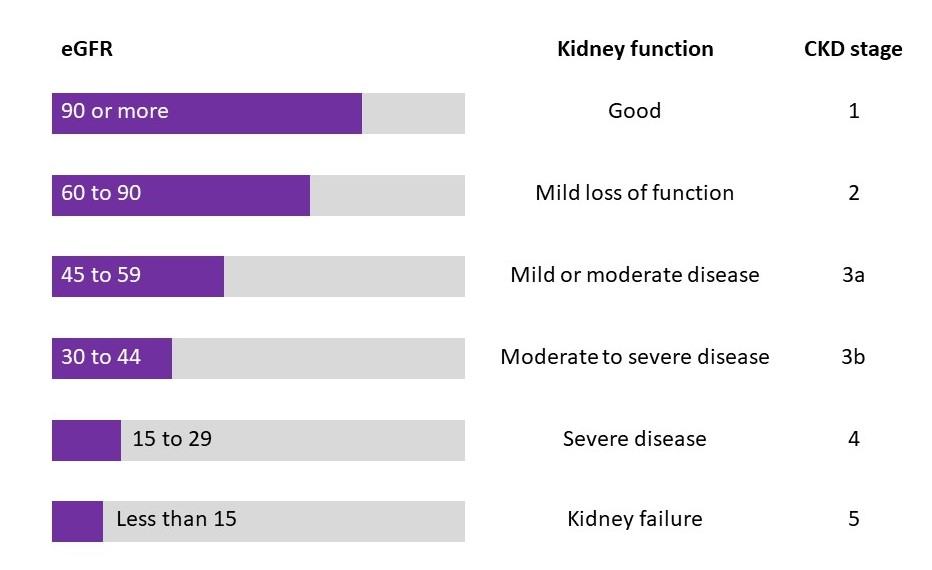
You’ll be diagnosed with kidney failure if your estimated glomerular filtration rate (eGFR) is less than 15 ml/min/1.73m². This means the amount of blood your kidneys can filter in 1 minute is about a sixth that of a healthy kidney. Kidney failure is also known as chronic kidney disease (CKD) stage 5.

On average, people with ADPKD reach kidney failure at about age 55–60 years, but the timing differs a lot from person to person. Some people with ADPKD never get kidney failure. People with a PKD2 gene alteration tend to get kidney failure much later in life than those with a PKD1 alteration.

If you get kidney failure, you’ll either need a kidney transplant or dialysis to survive. These are types of kidney replacement therapy. Over half of the people in the UK with kidney failure have a transplant. The others have long-term dialysis.

Who can have a kidney transplant?

A kidney transplant is the best treatment for kidney failure. It should replace much of your lost kidney function.

Benefits include:

  • increased life expectancy
  • better quality of life
  • fewer ADPKD symptoms
  • improved sex life and fertility

We explore each of these below.

Dialysis also has benefits but it doesn’t improve quality of life or life expectancy as much as a kidney transplant can.

Life expectancy after transplant

A kidney transplant will improve your life expectancy. How long you’re expected to live will depend on a few factors including your age and general health.

If you’d like to know more, ask your treatment team.

Quality of life after transplant

After having a kidney transplant, most people find their quality of life improves.

  • People usually return to ‘normal life’ within months.
  • Their energy levels increase and they can work, drive, go on holiday and exercise.
  • Most people don’t have to follow a special diet after having a transplant (but it’s best to eat a healthy diet).

However, some people find their quality of life is still impacted by ADPKD after their transplant.

ADPKD symptoms after transplant

A kidney transplant will improve your kidney function but it won’t cure your ADPKD.

Symptoms of poor kidney function (such as tiredness, feeling sick, and swollen ankles, feet and hands) should ease as your new kidney starts working.

Some people have one (or both) diseased kidneys removed before, during or after their kidney transplant. This is called nephrectomy. It will stop any symptoms or problems caused by that kidney. We explain this later.

Even when diseased kidneys are left in place, they often shrink over time. On average, they shrink by about a third in the year after transplant. This might reduce any pain and other symptoms they were causing by pushing on other organs.

Having a kidney transplant doesn’t stop ADPKD affecting your liver. Liver cysts often continue to grow. However, liver cysts don’t usually stop the liver working and few people have serious problems. You can learn more about how ADPKD affects the liver on our page on polycystic liver disease.

A few people with ADPKD need a liver transplant, which is sometimes done at the same time as kidney transplant.

Sex life and fertility after transplant

Prior to having a kidney transplant, many people with kidney failure have some problems with their sex life:

  • The most common issue for men is not being able to get or keep an erection.
  • The most common issues for women are a drier vagina, pain during sex, and difficulty reaching orgasm.

Most people find their sex life improves after having a kidney transplant.

Having a kidney transplant also often improves fertility, although this depends on your age and the reason for any infertility.

Men are usually fertile soon after transplantation.

If you’re a woman and want to try for a baby, it’s best to wait at least a year after your transplant. Use contraception in the meantime. Before trying to get pregnant, talk to your transplant team because they may need to change some of your immunosuppressant medicines.

See our web page on ADPKD and pregnancy for more information.

The risks of having a kidney transplant

Risks of surgery

The transplant operation has some risks, such as infection or problems with your urinary tract. We explain these later.

Risks in the longer term

Some people have problems in the weeks, months or years after kidney transplant.

These can include:

  • your body fighting the donated kidney (called rejection), which can cause the kidney to fail
  • an increased risk of cancer, high blood pressure, diabetes, increased levels of lipids (fats) in the blood, cardiovascular disease, weak bones (osteoporosis), or bone fractures

Your transplant team and doctor will monitor you for the rest of your life so they can spot and treat any problems promptly.

Is a kidney transplant an option for me?

Over half of all people with kidney failure are suitable for a kidney transplant and have one.

To check whether you’re suitable, your transplant team will carefully assess your health.

They will arrange a variety of tests with different specialists, including:

  • a general health check
  • blood tests to check your blood and tissue type
  • blood tests to check if your immune system is likely to fight a donated kidney
  • tests for certain infections (for example HIV and hepatitis B and C)
  • heart tests
  • lung tests
  • a scan of blood vessels on your groin

It can take 3–6 months to have all these tests. Learn more about these tests on the NHS Blood and Transplant website.

Reasons why you might not be able to have a kidney transplant include:

  • you have cancer that has spread
  • you have certain infections
  • you have a short life expectancy
  • you have serious cardiovascular disease
  • you’re unable to take the long-term medicines needed after transplant
  • you inject illicit drugs

If a kidney transplant is not suitable for you, your kidney specialist will offer you dialysis.

Can I have a transplant before needing dialysis?

Your doctor should refer you to a transplant team at least 12 months before you’re predicted to need one (or dialysis). This is to give you all time to plan and, if possible, organize a transplant before you’d need to start dialysis.

About 2 in every 10 people with kidney failure have a kidney transplant without needing to start dialysis. This is called a ‘pre-emptive transplant’. The other 8 in 10 people start dialysis while they wait for a transplant.

Whether or not you can have a pre-emptive transplant will depend, in part, on the availability of a suitable donor.

Finding a donor

Kidneys can be donated from people who are living and people who have just died.

You and your donor’s tissue type must be a close enough match, which is called ‘compatibility’. Your transplant team will check this by testing a sample of blood from you and potential donors for your blood group (A, B, AB or O) and molecules called human leukocyte antigens (HLAs).

Living donor

Living donation is possible because a single kidney is enough to keep a person alive and healthy. If a friend or relative is willing to donate you a kidney and they’re a good match, this can usually be organized in about 3–6 months.

The NHS Blood and Transplant website has information for people thinking about being a living donor.

Benefits of having a living donor versus a deceased donor include:

  • shorter waiting time
  • being able to plan the date of the operation
  • the donated kidney lasting longer
  • longer life expectancy for you

If a friend or family member wants to donate a kidney but isn’t a good enough match, it might be possible to arrange for a kidney swap with another family (or families) in the same situation. Your transplant team can arrange this through the UK Living Donor Kidney Sharing Scheme. You can learn about this scheme on the NHS Blood and Transplant website.

If one of your birth relatives wants to donate their kidney to you, they’ll need tests first to check they don’t have ADPKD.

Deceased donor

If you don’t have a living donor, your transplant team will put you on the waiting list for a kidney from someone who has died (because their heart or brain has stopped working). Just under two-thirds (59%) of kidneys donated in the UK are from a deceased donor.

The average time people wait for a deceased donor kidney is about 2–3 years but it can be shorter or longer than this. The wait tends to be shorter for people of blood group AB or A than blood group B or O.

Preparing to have a transplant

Putting plans in place

Whether you have a living or deceased donor, you’ll need to get some plans in place before the operation. You should expect to be in hospital for 4–10 days after your operation, and you’ll need a good few weeks (about 8) to recover afterwards at home.

Your transplant team will explain what to expect and how to prepare.

Preparing for a transplant from a living donor is usually simpler because you’ll know the planned operation date. If you’re waiting for a kidney from a deceased donor, you’ll need to be ready to go to the hospital whenever you get the call, day or night.

Things to plan include:

  • travel to and from hospital for the operation and check-ups
  • who’ll look after children, pets and your other responsibilities
  • who’ll care for you at home while you recover
  • letting your employer know how long you’re likely to be off work

In addition, if you’re on the waiting list for a kidney from a deceased person, let the transplant centre know if you’re going away or are unwell. They can then pause you on the waiting list.

Staying healthy

While waiting for your transplant, stay as healthy as possible.

Steps to take include:

  • stay active
  • eat healthy meals and follow your kidney specialist’s advice on food and drink
  • stay a healthy weight (lose weight, if advised)
  • don’t smoke
  • limit the alcohol you drink

Waiting for a transplant can be stressful and worrying. Speak to your GP or transplant team if anxiety or depression are affecting you.

You might find it helpful to talk to other people in the same situation or who have had a transplant. Find out about support groups and Facebook groups on our website or call our helpline on 0300 111 1234 (9:30am to 5:00pm, Monday to Friday, except bank holidays).

The transplant operation

Checks before your surgery

Before your operation, you’ll have tests to check you’re fit enough for the surgery. This is called a ‘pre-op’.

The transplant service will check the suitability of the donated kidney, and your surgeon will explain the results.

If a blood relative has had a brain aneurysm or you have signs of one, your surgeon will recommend you have a brain scan before your transplant operation. This is to check you don’t have a brain aneurysm. If one is found, you might need to have it treated before your transplant.

Removal of diseased kidneys

Most people with ADPKD don’t need to have their own kidneys removed before or during their transplant. However, some people have one or both diseased kidneys removed (nephrectomy).

Reasons your surgeon and other specialists might suggest removing one or both of your diseased kidneys are:

  • to make room for your donated kidney
  • because they’re causing ongoing problems such as severe pain, bleeding, infections, fullness affecting your appetite, a hernia, breathing difficulty or kidney stones
  • doctors think you might have kidney cancer

    If your diseased kidneys are left in place, a surgeon can remove them at a later date if needed.

    The transplant operation

    The transplant operation takes about 2–4 hours. Your surgeon will place your new kidney in your groin and will connect the kidney’s blood vessels to those running to and from one of your legs. They’ll connect the tube that carries urine (the ureter) from the donated kidney to your bladder. We show this in the picture below.
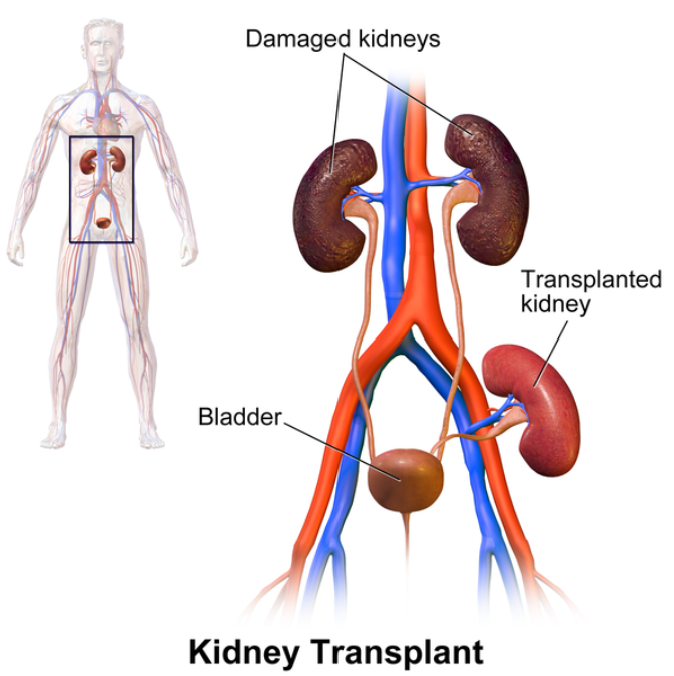
    A diagram showing where the transplanted kidney is placed. The transplanted kidney sits lower than the patient’s own kidneys, in the groin. The blood supply and bladder are connected as we explain above.

    Recovery and complications

    Most people recover well after a kidney transplant. You’ll probably leave hospital about 4–10 days after your operation.

    Complications from the surgery can include:

    • bleeding requiring a blood transfusion (10–20% of people)
    • an infection requiring antibiotics in the first week (10–20%)
    • a narrowing (stenosis) in an artery needing treatment (1–25%)
    • a narrowing (stenosis) in the ureter needing treatment or surgery (1–10%)
    • a urine leak needing treatment or surgery (1–9%)
    • a blood clot in the donated kidney, which often means the kidney needs to be removed (1–4%)

    These figures are based on people who had a kidney transplant for various reasons (not only ADPKD).
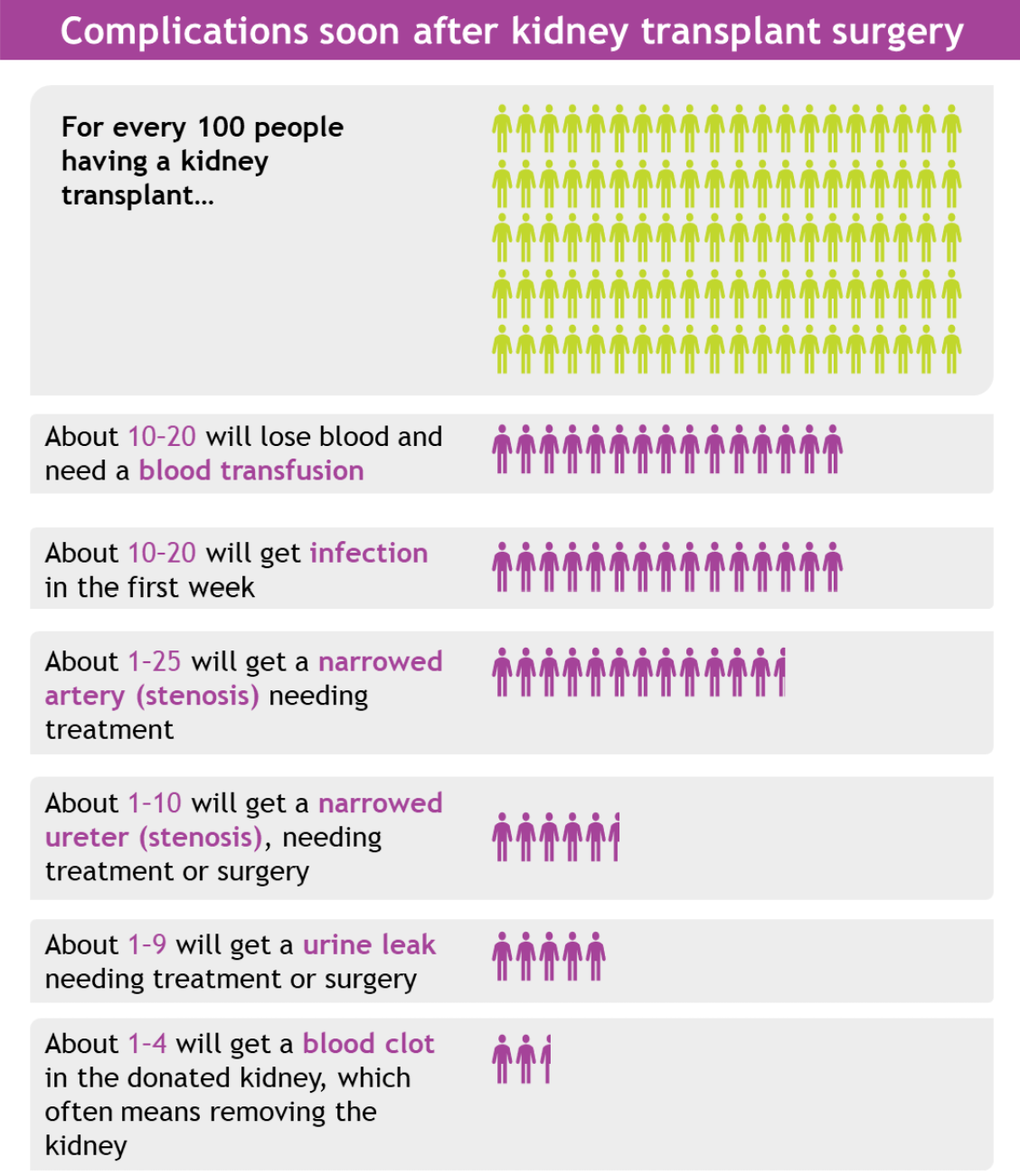
    Picture showing some of the more likely complications that can occur soon after a kidney transplant operation (see text above for details).

    If you get a kidney from a deceased donor, there’s a chance it won’t work well for a few days or weeks. At least 20 in every 100 people getting a kidney from a deceased donor have this problem. For about 2–4 in every 100 people, the donated kidney never works and needs to be removed.

    This is not a full list of all the problems that can occur after kidney transplant surgery. Ask your transplant team to talk you through all the risks fully. If you’re worried about the risks, let them know.

    Complications might mean you need to stay in hospital for longer than expected. You might also need to return to hospital for further treatment or surgery.

    Your transplant team will support you well. They’ll monitor your health closely and organize any treatments you need.

    Medicines after transplant

    Starting immunosuppressants

    Naturally, your body’s immune system would attack the donated kidney. This is called rejection. To stop this happening, you’ll need to take medicines called immunosuppressants.

    Common immunosuppressants include basiliximab, tacrolimus, ciclosporin, azathioprine, mycophenolate mofetil, prednisolone and sirolimus. People with higher risks of rejection may need extra immunosuppressants such as alemtuzumab or anti-thymocyte globulin.

    You’ll usually need to take 3 or more different immunosuppressants. Your transplant team will adjust the dosing as needed:

    • If the dose is too low, your body is more likely to reject the donated kidney.
    • If the dose is too high, you’re more likely to get infections, diabetes, cardiovascular problems and cancers of the skin or lymph nodes.

    Take your medicines as instructed to reduce your risk of complications.

    Other medicines

    You’ll be given medicines to reduce your risk of getting bacterial, viral and fungal infections in the first few months after your transplant. You’re also likely to be given a blood thinner to reduce the risk of blood clots.

    If you get side effects from your immunosuppressants (for example, an upset stomach), your doctor can prescribe medicines to help.

    You might also need to take other medicines long term, depending on your health. For example, if you have diabetes, high blood pressure or high cholesterol, this may need treatment. Your doctor might also recommend medicines to keep your bones healthy.

    If you took any other medicines before your transplant, your doctor will let you know whether these are still needed and any changes you need to make.

    If you’re a woman going through the menopause, your doctor can explain the risks and benefits of taking hormone replacement therapy (HRT) after transplant.

    Medicines and foods to avoid

    Check with your doctor or pharmacist before using any medicines, supplements or herbal remedies you can buy without prescription. Some might affect other medicines you’re taking, which can stop them working properly or cause side effects.

    Don’t take non-steroidal anti-inflammatory drugs (for example, Nurofen® or other brands of ibuprofen) as they could damage your kidneys.

    Depending on which immunosuppressants you’re taking, you might need to avoid certain foods such as grapefruit, pomegranate, Seville oranges (used in many marmalades), chamomile tea and earl grey tea. Check with your treatment team.

    Check-ups after your transplant

    After your transplant, you’ll have check-ups at the transplant clinic. Initially these will be at least twice a week. Once your donated kidney is working well, you can have check-ups less often, for example, 3–4 times a year.

    At appointments, your transplant team will check:

    • the health of your donated kidney
    • your blood pressure and general health
    • whether you’re having any difficulties with your immunosuppressants
    • how well you’re coping

    If you have questions or concerns between check-ups, contact the transplant centre. Your GP will also be on hand to help you manage your health.

    How long does a donated kidney last?

    On average, transplanted kidneys from living donors last 20-25 years, while those from deceased donors last 15-20 years. These numbers are from all people in the UK who have had a kidney transplant (not only people with ADPKD).
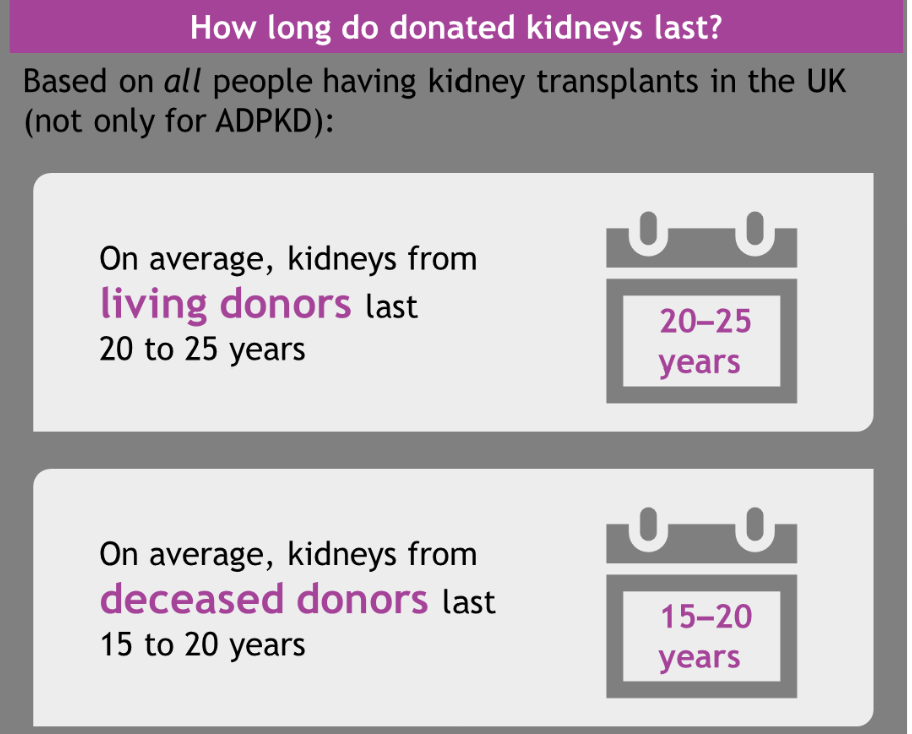
    A picture showing how long donated kidneys last (see text above).

    The length of time your donated kidney will last depends on many factors. It may last longer if:

    • you had a living donor rather than a deceased donor
    • you and your donor are relatively young
    • you and your donor were a very good match
    • you take your immunosuppressants as instructed
    • your body doesn’t fight (reject) the kidney
    • you follow a healthy diet and lifestyle to reduce your chance of getting other health problems, such as diabetes, obesity and high blood pressure.

    What happens if my body starts to reject the kidney?

    Sometimes, the body can start to fight (reject) the donated kidney. This happens in about 10–20 in every 100 people within a year of their transplant. It can also happen later on.

    If check-ups show your kidney function has dropped, this might mean your body is starting to reject your donated kidney. You’ll have further tests, including a blood test, and a doctor will take a small sample of the kidney tissue (a biopsy) for testing.

    By testing the biopsy and your blood sample, the lab can confirm whether you have rejection and what part of your immune system is responsible (cells or antibodies). Your transplant team can then tailor your treatment.

    If the rejection is caused by immune cells, you’ll need a high dose of steroids given intravenously (via a drip) for 3 or more days. You’ll then switch to steroid tablets. You might need other medicines too if the steroids don’t stop the rejection.

    If the rejection is caused by antibodies (defence proteins), you’ll need treatment to remove these from your blood. Most often, this is done using a machine similar to a dialysis machine. This is called plasma exchange (plasmapheresis). Other treatments for this type of rejection include intravenous immunoglobulin (IVIG), which stops your body making more antibodies.

    If the rejection continues, your donated kidney might fail. If this happens, you’ll need to go on dialysis. You might be able to have another transplant in the future.

    What are the alternatives to having a kidney transplant?

    Not all people are suitable for a kidney transplant and some choose not to have one.

    The alternatives are:

    • dialysis using a machine to filter your blood (haemodialysis)
    • dialysis using fluid placed in your abdomen (peritoneal dialysis)
    • supportive care, medicines and lifestyle changes to ease your symptoms (these won’t improve your kidney function).

    Stories of people with ADPKD who have had a transplant

    Nicki had a kidney transplant after having both diseased kidneys removed

    Dialysis hardly worked for me at all. The doctors had said that my need for a transplant was urgent. Around 3 months after my operation [to remove my PKD kidneys], the consultant felt I could [go on] the transplant list. 

    “Just one week later, I was at home and I received a call to go immediately to the hospital. I had no reservations about having the transplant even though I realised I was vulnerable to infection and still had pain from recent surgery. My creatinine* [dropped substantially] overnight and I woke up feeling like a brand-new woman. I was well cared for and a future felt possible once again.”

    *Creatinine is used to measure kidney function. High levels indicate poor function.

    Martin had a pre-emptive transplant from a living donor 

    “When I dropped below eGFR 20, it was suggested that I start thinking about live transplant. My great niece volunteered and was a really good match. From the time she agreed to donate to transplant was about 2¾ years. I had the transplant at eGFR 9, in October 2016. 

    “The transplant team told me that mine was a ‘textbook’ pre-emptive live donation. My niece sailed through it – she wanted food as soon as she came back from theatre! The transplant was on the Thursday and she went home on the Monday. Once out, I was very well looked after by my wife.”

    Stephen found the wait hard, but coped by keeping fit

    “There were some dark periods as one is waiting with a real chance of time running out before a kidney becomes available. Nonetheless I was determined to keep fit and look after myself so that I would be able to take the opportunity should the call ever come.

    Rob had some false starts before a suitable kidney was found

    “Life is quite normal; until you get the call! My first call was at 1 am. I went to Manchester Royal and had to wait around for about 30 minutes, then was given a bed. I was just in the middle of getting my gown on and a nurse came and said that the kidney wasn’t good enough and I could go home. I arrived home at 3.30 am. A very surreal experience! I had a further 3 calls before I was successful.”

    Andy found the wait for a donor kidney and liver a strain

    “Being on dialysis was sometimes an emotional strain — and probably on loved ones too. Waiting for a donor with no set date rather than having a live donor planned is just that — a 'waiting game' and can be tortuous. But however hard dialysis could get, I remembered it was keeping me alive.”

    Ian explains his recovery after a kidney transplant 

    “The operation went smoothly and I woke in recovery as if nothing had happened, apart from all the tubes. However, the following day I did feel nauseous, and was sick, then Day 2 started to go into full recovery, and Day 3 the kidney started working and all tubes were removed. On Day 5 I was able to come home. 

    “Initially it went well. I have had a hiccup with a viral infection, but my lifestyle is getting back to normal. I'm feeling healthier, and about to start up physical fitness again. Even with the hurdles I’ve encountered, my GFR has been up to 65%, and I am looking forward to the future.”

    Andy had complications after his joint kidney and liver transplant

    “My operation was long and didn't go exactly to plan. I tried to stay pragmatic and positive about the recovery process, which was not always easy or straightforward with infections, episodes of rejection and a 'sleeping' donor kidney.

    “Everyone's experience is different — I was in hospital for about 10 weeks. I had a few overnight visits over the next 6 months, but things settled down gradually. I celebrate the little victories (like having my first wee in 2 years!). For me, my 12-month anniversary was most significant both physically and emotionally — that was when I felt I had turned a corner in my recovery.”

    Stephen has got more active since his transplant recovery

    “I have no dialysis and no dietary restrictions and my fitness is such that I play golf, have been back pedalling on the bike and I competed at this year’s Transplant Games. Life will never entirely return to what it was prior to PKD, but every day feels like a massive bonus. I am immeasurably grateful to the medics and of course to my donor and his family.”

    Nicki’s quality of life improved but there have been challenges too

    “I have been on quite a journey over the last 13 years [since transplant]. Certainly, this donation prolonged my life span and increased my quality of life immensely — I have been able to travel, gain a master's degree, continue to work for some time, and create a home for myself. 

    “I have also had to deal with the traumatic impact [that PKD] has had on my emotional and physical health, and have had some unfortunate experiences of employers and colleagues not understanding what this has been like. Even so I wouldn't have had it any other way. To share life with another person is a great privilege in both directions.” 

    Rob found freedom from dialysis the biggest change

    “Immediately after the transplant, my skin lost its yellow tinge and I gained a normal complexion. I felt normal again, just like I used to. The biggest change was no longer being tied to dialysis 3 times a week, and once again being able to do all the things that I used to without having to take regular breaks. One thing I will never forget — how lucky I have been.”

    More from the PKD Charity

    Information and support from others

    Further information

    All of our publications are based on references but these are removed for ease of reading on our webpages. A version of this webpage with references included is available upon request by emailing [email protected] 

    Authors and contributors

    PIF

    Written by Mr Badri Man Shrestha, BSc MBBS MS MPhil MD FRCS(Eng & Gen) Hon.FRCS(Edin) FEBS FACS FICS, Consultant Transplant Surgeon, Sheffield Teaching Hospitals NHS Trust, and Hannah Bridges, PhD, independent medical writer, HB Health Comms Limited.

    Ref No: ADPKD.KT.V2.0
    © PKD Charity 2025
    First published: May 2025
    Due to be medically reviewed: May 2028

    Disclaimer: This information is primarily for people in the UK. We have made every effort to ensure that the information we provide is correct and up to date. However, it is not a substitute for professional medical advice or a medical examination. We do not promote or recommend any treatment. We do not accept liability for any errors or omissions. Medical information, the law and government regulations change rapidly, so always consult your GP, pharmacist or other medical professional if you have any concerns or before starting any new treatment.

    If you don't have access to a printer and would like a printed version of this information sheet, or any other PKD Charity information, call the PKD Charity Helpline on 0300 111 1234 (weekdays, 9am–5pm) or email [email protected]

    The PKD Charity Helpline offers confidential support and information to anyone affected by PKD, including family, friends, carers, newly diagnosed or those who have lived with the condition for many years.


    Read more …Kidney transplants and ADPKD

    Medications to treat ADPKD

    Medications to treat ADPKD

    This factsheet is for people with autosomal dominant polycystic kidney disease (ADPKD), their family and friends. It explains some of the different medicines used to treat ADPKD and its symptoms. It also lists some medicines you should avoid if you have ADPKD.

    Contents

    Tolvaptan to slow the progression of ADPKD

    Kidney cysts in ADPKD 

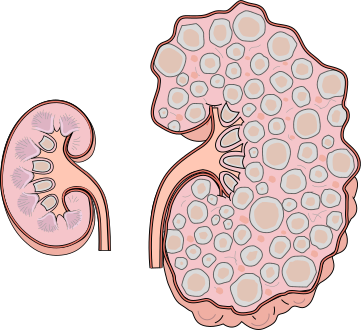
    ADPKD causes fluid-filled sacs called cysts to form in the kidneys. These cysts damage and enlarge the kidneys.

    ADPKD is a progressive disease, meaning it gets worse over the years. By their late 50s, about half of all people with ADPKD develop kidney failure and need dialysis long term or a kidney transplant.

    The only medication available to slow down the progression of ADPKD is tolvaptan.

    a pitcure of a doctor talking to a patient

    What is tolvaptan?

    Tolvaptan (brand name Jinarc®) can slow the progression of ADPKD in adults. It works by blocking the receptor for a hormone called vasopressin in your body. This slows the speed at which kidney cysts grow and helps to keep your kidneys functioning for longer.

    Tolvaptan is thought to work best when the kidneys are enlarging quickly yet still filtering blood efficiently (meaning they can do at least 30% of the work that a healthy kidney can). Tolvaptan is taken as a tablet twice a day.

    Can I take tolvaptan?

    Your kidney specialist (nephrologist) can explain whether tolvaptan is suitable for you and talk you through the benefits and risks. In the UK, tolvaptan is not recommended for everyone with ADPKD.

    To be eligible, you need to:

    • be over 18 years old
    • have ADPKD that’s progressing rapidly now or is predicted to progress rapidly in the future
    • have stage 2 or 3 kidney disease (or stage 1, 2 or 3 in Scotland) at the time you start treatment

    The stage of your kidney disease is estimated by blood tests. Your kidney specialist can explain what stage of disease you have and how quickly your ADPKD might progress. You might need to have further tests over the next 6 or 12 months before your doctor can estimate the speed at which your ADPKD is progressing.

    If your kidney function is good and your disease is progressing very slowly, your doctor might say that you don’t need tolvaptan yet. If your kidneys are already failing you may be offered a different treatment (for example, dialysis or a kidney transplant).

    How well does tolvaptan work?

    3 years of treatment with tolvaptan was tested in a clinical trial of people with ADPKD who had mild kidney disease (stage 1 or 2). Its effects were compared with those of a placebo (a pill without any medicine in it). On average, the people taking tolvaptan had:

    • less rapid growth in kidney size
    • a slower drop in kidney function

    A second trial found that tolvaptan also works in people with ADPKD who have mild-to-moderate kidney disease (stage 3).

    The benefits of tolvaptan seem to last for at least 10 years in people who continue to take it.

    What are the side effects of tolvaptan?

    The most common side effects of tolvaptan include:

    • being thirsty and having to drink more water
    • needing to pee more often in the day and night
    • headaches and dizziness
    • diarrhoea
    • a dry mouth
    • feeling tired

    In a clinical trial, around 2 in every 10 patients (20%) stopped taking tolvaptan because of the side effects. The side effect that bothered people most often was needing to pee (and drink) a lot.

    Most people who are able to keep taking tolvaptan find it doesn’t affect their quality of life very much.

    Tolvaptan can affect the liver but this is not common and reverses on stopping the drug. People taking tolvaptan have regular monthly blood tests to check their liver function.

    For a full list of possible side effects, please ask your doctor or check the patient information leaflet that comes with tolvaptan.

    Medicines to treat the symptoms of ADPKD

    If your ADPKD is causing symptoms your kidney specialist or other doctor may recommend medicines to reduce these. Medicines can also help to reduce your chance of future health problems, such as cardiovascular disease.

    Medicines for ADPKD symptoms include:

    • blood pressure tablets to lower your blood pressure if it is high
    • antibiotics to treat an infection in the bladder or kidneys (urinary tract) or liver cysts
    • pain killers to treat pain caused by enlarged kidneys

    If you have a high risk of cardiovascular disease (which might be partly due to ADPKD), your doctor might recommend additional medicines. These include lipid-lowering drugs (statins) to reduce your cholesterol, and antiplatelet drugs (such as aspirin or clopidogrel) to reduce your risk of a stroke or heart attack.

    Whether you need any of these medicines will depend on the symptoms you have. Your doctor or specialist will explain which treatments are best for you and why.

    If you’re nearing kidney failure, your kidney specialist will discuss the options of dialysis and transplant with you. For more information, see our factsheet on Progression.

    Medicines to avoid

    If you have ADPKD and reduced kidney function, some drugs might not be suitable for you. You might also need to take some medicines at a lower dose than standard. Your doctor can advise you on this.

    Before taking any medicine (including ones you can buy without prescription) check with your kidney specialist, GP or pharmacist that the medicine is safe for you.

    If you have kidney disease, you should only use these medicines if your doctor advises you to:

    • non-steroidal anti-inflammatory pain killers such as ibuprofen (Nurofen® Advil® , Brufen® and other brands) and diclofenac
    • treatments for indigestion that contain potassium, aluminium, sodium or magnesium
    • a heartburn medication called cimetidine
    • decongestants such as pseudoephedrine (Brand name Sudafed®).

    For more information on medicines to avoid if you have kidney disease, see Over-the-Counter Medicines by Kidney Care UK.

    Some medicines may not be safe because:

    • Your kidneys won’t clear the medicine out of your body quickly enough, which could lead to side effects.
    • The medicine might damage your kidneys.
    • The medicine might not work properly.
    • Some medicines cannot be taken at the same time as others.

    Although there are certain medicines you should avoid, this doesn’t mean you have to cope with untreated symptoms. Ask your doctor which medicines you can use instead.

    More from the PKD Charity

    More information from others

    Further information

    All of our publications are based on references but these are removed for ease of reading on our webpages. A version of this webpage with references included is available upon request by emailing [email protected]

    Authors and contributors

    Written by Hannah Bridges, PhD, Medical Writer, HB Health Comms Ltd, and reviewed by Professor Albert Ong, Professor of Renal Medicine, Academic Unit of Nephrology, University of Sheffield.

    With thanks to all those affected by ADPKD who contributed to this publication.

    Ref No: ADPKD.T.V2.0

    Last updated: © January 2025 (v2.0).

    Due for medical review: January 2028.

    Disclaimer: This information is primarily for people in the UK. We have made every effort to ensure that the information we provide is correct and up to date. However, it is not a substitute for professional medical advice or a medical examination. We do not promote or recommend any treatment. We do not accept liability for any errors or omissions. Medical information, the law and government regulations change rapidly, so always consult your GP, pharmacist or other medical professional if you have any concerns or before starting any new treatment.

    If you don't have access to a printer and would like a printed version of this information sheet, or any other PKD Charity information, call the PKD Charity Helpline on 0300 111 1234 (weekdays, 9am–5pm) or email [email protected]

    The PKD Charity Helpline offers confidential support and information to anyone affected by PKD, including family, friends, carers, newly diagnosed or those who have lived with the condition for many years.

    Read more …Medications to treat ADPKD

    Introduction to dialysis

    Introduction to dialysis

    This information is for people with autosomal dominant polycystic kidney disease (ADPKD) who have or are nearing kidney failure. It’s also for their families and friends. It explains when you might have dialysis, the types available and how they might affect your health and life.

    For more detailed information on the process of dialysis, see our pages on haemodialysis and peritoneal dialysis.

    Contents

    Key facts

    • Many people with ADPKD get kidney failure, on average at age 55–60 years old.
    • If you get kidney failure, you can have dialysis or a kidney transplant to replace some of the work of your kidneys.
    • About a quarter of people with kidney failure have long-term dialysis.
    • There are two main types of dialysis which work differently.
    • For haemodialysis, a machine filters your blood to remove waste and extra fluid.
    • For peritoneal dialysis, you add fluid into a space in your abdomen (tummy) where it can absorb waste and extra fluid from your blood.
    • Haemodialysis and peritoneal dialysis work equally well for most people and are equally safe.
    • Dialysis removes enough waste and fluid from your blood to reduce your symptoms and extend your life.
    • You’ll probably need to take some medicines and supplements too, for example, blood pressure tablets, vitamins and iron.
    • Most people need to follow a special diet and limit how much fluid they drink.
    • Having dialysis will have a big impact on your life but you can still have a good life.

    When might I need dialysis?

    If you have ADPKD, your kidneys’ ability to filter your blood (known as kidney function) will reduce over the years. Your kidneys may eventually stop working. This is known as kidney failure or end-stage kidney disease.

    If you have kidney failure, your treatment options may include:

    Your kidney specialist will explain which options are suitable for you.

    In the UK, about a quarter of people with polycystic kidney disease (PKD) and kidney failure are on long-term dialysis.

    How does dialysis work?

    There are two main types of dialysis which work differently:

    • For haemodialysis, a machine filters your blood to remove waste and fluid.
    • For peritoneal dialysis, you add fluid into a space in your abdomen (tummy) where it can absorb waste and fluid. You can drain off the fluid and replace it with fresh fluid yourself, with help, or using a machine.

    Of the people with PKD having dialysis in the UK:

    How well does dialysis work?

    Haemodialysis and peritoneal dialysis work equally well for most people and are equally safe.

    Neither type of dialysis can filter blood as well as real kidneys. Dialysis does about 10% of the filtering that a healthy kidney can do. This removes enough waste and fluid from your blood to reduce your symptoms and extend your life.

    The function of your own kidneys will continue to worsen over time.

    Your kidneys have a few different jobs and dialysis can’t do them all. So, if you’re on dialysis, you’ll probably need to take some medicines and supplements to help you stay well.

    These may include:

    • medicines to reduce your blood pressure
    • vitamins and iron supplements
    • phosphate binders (which reduce the amount of phosphate that your gut absorbs)
    • a hormone called erythropoietin (EPO), which tells your body to make more red blood cells

    Most people need to follow a special diet and limit how much fluid they drink.

    What’s it like to be on dialysis?

    Having dialysis will have a big impact on your life, but you can still have a good life. It might take some time to get used to planning your life around your dialysis sessions.

    Some symptoms caused by low kidney function are likely to improve once you start dialysis.

    For example:

    • You may feel less sick, tired and weak.
    • Puffy ankles may improve.
    • You may feel less short of breath. 

    Most people on dialysis can still work or study, exercise, drive and have holidays and trips away.

    You may need some help from your family, friends or a carer. You’ll have support from your dialysis team. This team includes a doctor specializing in treating kidney conditions (a nephrologist) and a nurse. Other people such as a dietitian, social worker and clinical psychologist will be involved.

    Dialysis can be frustrating and might get you down. Your kidney team might be able to suggest changes to your dialysis routine to reduce its impact on your life. Most kidney centres have a psychologist who you could chat to.

    Talking to other people on dialysis, friends and family can help too. You can find others with ADPKD to chat to through our PKD support groups and ADPKD Facebook group.

    You might be entitled to government benefits and other financial or practical help — the National Kidney Federation has information on this.

    Will I have to follow a special diet?

    Most people on dialysis need to follow a special diet and watch how much fluid they drink, especially those having haemodialysis.

    You might be able to see a dietitian for people with kidney disease before starting dialysis.

    They could help you plan your diet to:

    • avoid eating too much sodium (salt), potassium and phosphate
    • get enough vitamins and minerals
    • eat the right amount of protein
    • have the right number of calories
    • maintain a healthy weight

    You can also ask to see a dietitian later for advice and support.

    Can I stay physically active?

    Keeping physically active helps to maintain and improve your fitness and strength. It can also reduce your risk of high blood pressure and cardiovascular problems.

    You might find some types of exercise harder than you used to due to your kidney health. Your cardiovascular fitness may be lower than before and your muscles might be weaker. This will improve the more you do (as long as the exercises are right for you).

    If you’d like advice on exercise, ask your kidney team or GP to refer you to a physiotherapist or other exercise specialist.

    Some dialysis centres have spaces where you can exercise during your haemodialysis sessions. If you have a catheter in your abdomen for peritoneal dialysis you can still go swimming.

    How long do people live on dialysis?

    Dialysis will improve your life expectancy. How long you’re expected to live will depend on a few factors including your age, sex and health.

    People with ADPKD tend to live longer on dialysis than people on dialysis for other reasons. One of the main reasons for this is that people with ADPKD on dialysis tend to be younger than other dialysis patients. Keep this in mind if you’re reading general information on dialysis.

    If you’d like to know more, ask your treatment team.

    Deciding which type of dialysis to have

    Experts think haemodialysis and peritoneal dialysis are equally safe for people with ADPKD. Unless there is a reason one type of dialysis is not suitable for you, you can choose which type to have.

    Your kidney doctor and other specialists will talk you through the pros and cons of each option. They can also help you decide whether to have dialysis at home, in a hospital or in a dialysis unit.

    Factors to think about include:

    • what dialysis services are available in your local area
    • whether you prefer to do dialysis yourself or have expert help
    • who could help you do dialysis sessions at home if needed
    • what type of dialysis fits best into your life
    • any health problems that make one type of dialysis more suitable for you (for example, peritoneal dialysis may be less suitable for you if you have very large kidneys)

    See our web pages on haemodialysis and peritoneal dialysis for information on each type of dialysis.

    Kidney Research UK have a booklet to help people decide which type of dialysis to have: the Dialysis Decision Aid booklet. We recommend you read it. You may also find it helpful to talk to other people on dialysis, your healthcare team, friends, family or caregiver to help you decide.

    Your decision does not need to be final. You’ll be able to chat to your dialysis team about how your dialysis is going and make changes to suit your lifestyle and needs. You might be able to change from one type of dialysis to another if your preferences change. You’ll need to have an assessment and surgical procedure to prepare first.

    More from the PKD Charity

    Information and support from others

    The National Kidney Federation has information on government benefits and other financial and practical support for people with kidney disease. Rules on benefits change from time to time, so also check Gov.uk for the latest information.

    Further information

    All of our publications are based on references but these are removed for ease of reading on our webpages. A version of this webpage with references included is available upon request by emailing [email protected].

    Authors and contributors

    Written by Hannah Bridges, PhD, Independent Medical Writer at HB Health Comms Limited. Expert review by Matthew Gittus, PhD Fellow,
    Sheffield Kidney Institute, University of Sheffield.

    With thanks to all those affected by ADPKD who contributed to this publication.

    Ref No: ADPKD.D.V1.0
    © PKD Charity 2025
    First published: June 2025
    Due to be medically reviewed: June 2028

    Disclaimer: This information is primarily for people in the UK. We have made every effort to ensure that the information we provide is correct and up to date. However, it is not a substitute for professional medical advice or a medical examination. We do not promote or recommend any treatment. We do not accept liability for any errors or omissions. Medical information, the law and government regulations change rapidly, so always consult your GP, pharmacist or other medical professional if you have any concerns or before starting any new treatment.

    If you don't have access to a printer and would like a printed version of this information sheet, or any other PKD Charity information, call the PKD Charity Helpline on 0300 111 1234 (weekdays, 9am–5pm) or email [email protected]

    The PKD Charity Helpline offers confidential support and information to anyone affected by PKD, including family, friends, carers, newly diagnosed or those who have lived with the condition for many years.

    Read more …Introduction to dialysis

    Haemodialysis

    Haemodialysis

    This information is for people with autosomal dominant polycystic kidney disease (ADPKD) who have or are nearing kidney failure. It’s also for their families and friends. It explains how you prepare for haemodialysis and what happens in haemodialysis sessions. It also looks at side effects and risks, monitoring and travel. 

    See also our webpages introducing dialysis and about peritoneal dialysis.

    Contents

    Options for the treatment of kidney failure

    If you have kidney failure, your treatment options may include:

    • a kidney transplant
    • dialysis (haemodialysis or peritoneal dialysis)
    • supportive medicines and care only

    This page is on haemodialysis. To understand your other options, see our pages on Kidney transplants in ADPKD and an introduction to dialysis.

    Preparing to have haemodialysis

    If you choose to have haemodialysis, you’ll need a small surgical procedure beforehand to make a blood vessel easier to use.

    There are two main access points that can be used for haemodialysis:

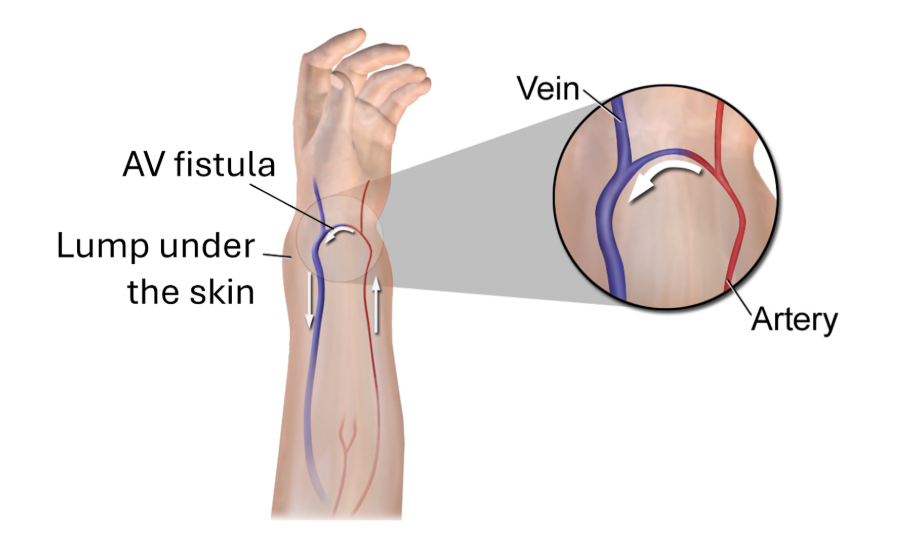
    • An AV fistula (also called an arteriovenous fistula) is an enlarged blood vessel in your arm.
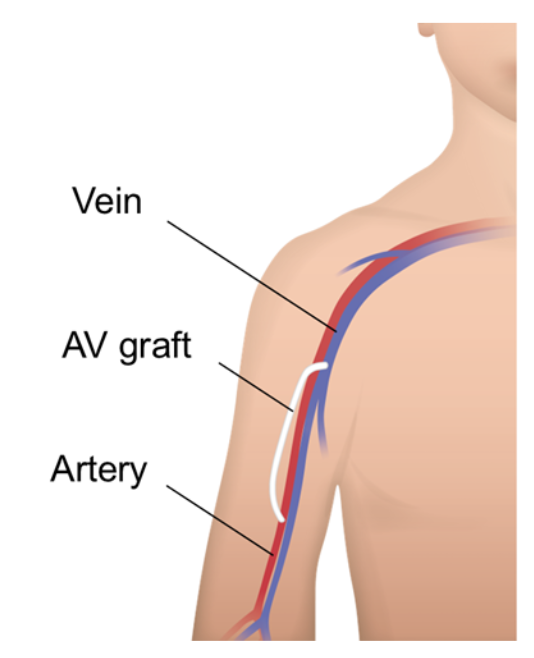
    • An AV graft (also called an arteriovenous graft) is a man-made tube that connects two blood vessels inside your arm.
    Diagram showing an AV fistula. A vein and artery are shown running down the lower arm. The two vessels are joined so that blood can flow between them.  Diagram showing an AV graft. A vein and artery are shown running down the upper arm. The two vessels are joined by a tube under the skin.

    You and your dialysis team will decide together which type of access point is best for you and where it will go.

    A surgeon will make your AV fistula or AV graft using a small surgical procedure. You’ll have a general or local anaesthetic for this. Your access point will stay in place long term unless you stop having haemodialysis.

    Most people starting haemodialysis have an AV fistula made a few months beforehand. If you need to start dialysis more urgently than this, you might have an AV graft.

    Less commonly, people have haemodialysis using a tube (a catheter) that feeds under their neck skin and into a neck vein. This is called a ‘tunnelled line’.

    The risk of infection is higher with a tunnelled line. It’s only used for emergency dialysis or for people who can’t have an AV graft or AV fistula.

    Haemodialysis sessions

    Each haemodialysis session takes about 4 hours and most people need about 3 sessions per week. The length and frequency of your sessions will be tailored to you.

    Most people have haemodialysis in a hospital or dialysis unit but some have the equipment at home.

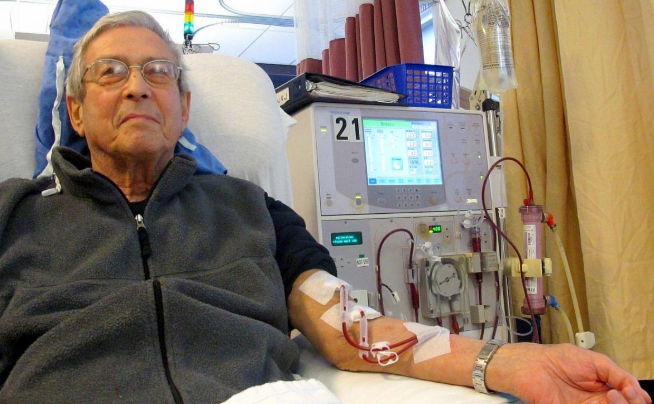
    A man relaxed in a clinic chair beside a haemodialysis machine. The man has two tubes connected to his arm, carrying blood to and from the machine. The tubes are taped to his arm.

    If you’re doing haemodialysis at home, you might be able to do shorter sessions more frequently. For example, these could be sessions of 3 hours on 5 days of the week or overnight sessions while you sleep.

    At the hospital or dialysis unit, a nurse or healthcare assistant will insert two needles into your AV fistula or AV graft and connect tubes to these. Your blood will then travel through the tubes to and from the haemodialysis machine.

    Alternatively, if you have a tunnelled line the nurse or healthcare assistant will use this to connect you to the dialysis machine.

    You can learn to do some of the process yourself if you would like.

    If you’re having home haemodialysis, you (or a relative or caregiver) will learn how to connect the haemodialysis machine. You’ll be able to contact your dialysis team for advice if you need.

    The dialysis machine filters your blood through a man-made membrane, removing waste and excess fluid. You may hear the terms ‘haemofiltration’ or ‘haemodiafiltration’. These are slightly different processes for cleaning the blood.

    Most people on haemodialysis have a blood thinner (usually heparin) before each session to reduce the risk of getting a blood clot.

    Side effects and risks

    Haemodialysis sessions can make you tired. Other side effects can include low blood pressure (which can make you feel sick or dizzy), itchy skin and muscle cramps. The needles can be uncomfortable — local anaesthetic can help.

    If you have haemodialysis, there’s a risk of:

    • getting an infection in your access point, which could spread to your bloodstream
    • your access point getting blocked

    You’ll need to follow advice to look after your access point to reduce the chance of infection. If you get an infection, you’ll need antibiotics either at home or in hospital.

    If your AV fistula or AV graft gets blocked or narrows, you may need a procedure to correct this.

    Monitoring

    You’ll have regular monitoring (usually monthly) to check your dialysis schedule is working well to clean your blood and control your fluid levels.

    This is also a chance for you and your dialysis team to review any side effects and discuss how haemodialysis is impacting your life. They might be able to suggest changes, treatments or support to help.

    Travel

    You can go on holiday and stay away from home if you’re on haemodialysis. You’ll need to plan ahead so a coordinator can book dialysis sessions at your destination for you. Alternatively, you can take a portable dialysis machine with you.

    For more information, see Kidney Care UK’s guide Dialysis Away From Base. You can get help organizing dialysis away from home through their free service called Dialysis Freedom.

    More from the PKD Charity

    Information and support from others

    University Hospitals Coventry and Warwickshire NHS Trust has a guide on making an access point in a blood vessel for haemodialysis. Services from other hospitals may differ.

    Further information

    All of our publications are based on references but these are removed for ease of reading on our webpages. A version of this webpage with references included is available upon request by emailing [email protected].

    Authors and contributors

    Written by Hannah Bridges, PhD, Independent Medical Writer at HB Health Comms Limited. Expert review by Matthew Gittus, PhD Fellow, Sheffield Kidney Institute, University of Sheffield.

    With thanks to all those affected by ADPKD who contributed to this publication.

    Ref No: ADPKD.HD.V1.0
    © PKD Charity 2025
    First published: June 2025
    Due to be medically reviewed: June 2028

    Disclaimer: This information is primarily for people in the UK. We have made every effort to ensure that the information we provide is correct and up to date. However, it is not a substitute for professional medical advice or a medical examination. We do not promote or recommend any treatment. We do not accept liability for any errors or omissions. Medical information, the law and government regulations change rapidly, so always consult your GP, pharmacist or other medical professional if you have any concerns or before starting any new treatment.

    If you don't have access to a printer and would like a printed version of this information sheet, or any other PKD Charity information, call the PKD Charity Helpline on 0300 111 1234 (weekdays, 9am–5pm) or email [email protected].

    The PKD Charity Helpline offers confidential support and information to anyone affected by PKD, including family, friends, carers, newly diagnosed or those who have lived with the condition for many years.

    Read more …Haemodialysis

    Peritoneal dialysis

    Peritoneal dialysis

    This information is for people with autosomal dominant polycystic kidney disease (ADPKD) who have or are nearing kidney failure. It’s also for their families and friends. It explains how you prepare for peritoneal dialysis and how you’ll do swap fluids. It also looks at side effects and risks, monitoring and travel. 

    See also our webpages introducing dialysis and about haemodialysis.

    Contents

    Options for the treatment of kidney failure

    If you have kidney failure, your treatment options may include:

    This page is on peritoneal dialysis. To understand your other options, see our pages on Kidney transplants in ADPKD and an introduction to dialysis.

    Preparing to have peritoneal dialysis

    If you choose to have peritoneal dialysis, the first step is a home visit to check you have all the facilities needed at home.

    You’ll need a surgical procedure at least 2 weeks before starting peritoneal dialysis. A medical nephrologist or surgeon will fix a tube called a catheter through the skin below your belly button into your abdomen (tummy).

    The catheter will go into your peritoneum, which is a membrane that surrounds your organs and bowels. You’ll have the catheter long term (unless you stop having peritoneal dialysis). It has a cap on it.

    You’ll have a local or general anaesthetic before the surgical procedure to fit the catheter. The procedure can usually be done in one day (meaning you won’t need to stay at hospital overnight). You’ll be given antibiotics to reduce your chance of getting an infection.

    The nursing team will teach you about peritoneal dialysis before you get started.

    Peritoneal dialysis sessions

    Once you start peritoneal dialysis you’ll have dialysis fluid (dialysate) in your abdomen most of the time. Over a few hours, waste and fluid in your blood will travel through tiny blood vessels in your peritoneum into the dialysis fluid.

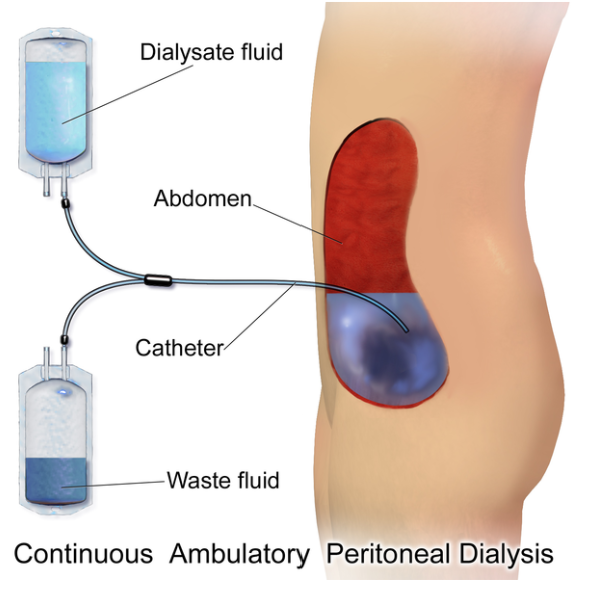
    You, a relative, caregiver or visiting technician will drain out the old dialysis fluid and replace it with fresh fluid using your catheter (see picture).

    Diagram showing peritoneal dialysis. An empty bag connected to the catheter is used to drain fluid out the abdomen. A bag of fresh fluid is connected to a catheter to refill the abdomen.

    There are two ways of refreshing dialysis fluid:

    • Automated peritoneal dialysis: You’ll use a machine to automatically swap the fluids during the night while you sleep.
    • Continuous ambulatory peritoneal dialysis: You, a relative, caregiver or technician will do a fluid swap about 4 times a day. It takes about 30–45 minutes each time.

    Experts think these two types of peritoneal dialysis work equally well, although there’s not been much research comparing them. Automated peritoneal dialysis is the more common choice.

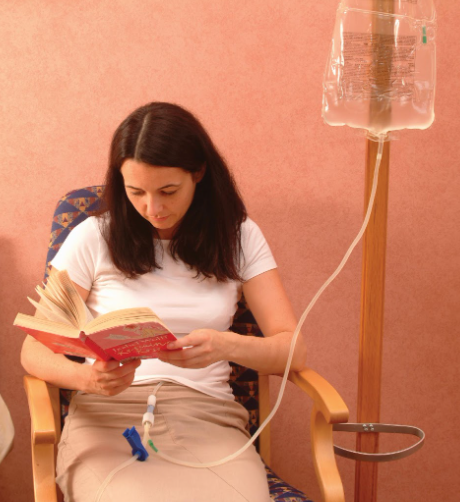
    A photo of a woman sat in a chair reading a book while doing a dialysis fluid swap. A bag of fluid hangs from a stand. A tube from the bag connects to her peritoneal catheter, unseen under her t-shirt.

    Your dialysis team will be on hand for advice and care when you need.

    Side effects and risks

    Peritoneal dialysis can make you feel tired and sick. It can also lead to low blood pressure that can make you feel dizzy or lightheaded. Some people find it uncomfortable to have a peritoneal catheter, to have fluid in their abdomen or to do the fluid swaps.

    Let your nursing team know if you get any of these problems as changes to your dialysis schedule or the fluid ingredients can help.

    You’ll probably need to take laxatives daily to prevent constipation (difficulty pooing). This is because constipation can move or squash your catheter, stopping it working well. Laxatives make your poo softer and you might need the toilet more urgently.

    If you have peritoneal dialysis, there’s a risk of:

    • getting an infection around your catheter or in your peritoneum (known as peritonitis)
    • getting a hernia, meaning part of your bowel bulges through your tummy muscles under the skin
    • the catheter becoming blocked, not draining well or leaking
    • changes to your peritoneum that require treatment

    You’ll need to keep your catheter clean to reduce the chance of infection. Your dialysis team will explain the signs of infection to look out for. If you have diverticular disease and use peritoneal dialysis, you might be more likely to get peritonitis.

    If you get an infection, you’ll need antibiotics either at home or in hospital. If the infection doesn’t clear, you might need a procedure to adjust or replace parts of your catheter. A nurse can do this for you. You might need to have haemodialysis until the infection clears.

    If you get a hernia, you may need surgery to correct this.

    If your catheter becomes blocked, a nurse can usually unblock it for you. If it keeps leaking, a radiologist can use scans to see why. Some leaks get better on their own — you might need to swap to haemodialysis while it settles. If the leak continues, your catheter might need adjusting or replacing.

    Some people having peritoneal dialysis get a thicker or harder peritoneum covered in calcium. This is called encapsulating peritoneal sclerosis and can make you unwell. You’re likely to need nutritional supplements by mouth or into a vein until you’re well enough to eat again.

    Encapsulating peritoneal sclerosis can be hard to treat so you may need to switch to having haemodialysis.

    Monitoring

    You’ll have regular monitoring (usually at least every 6 months) to check peritoneal dialysis is working well to clean your blood. You might need check-ups more often if your kidney function is very low. You’ll also have check-ups of your peritoneum.

    Check-ups are a chance for you and your dialysis team to review any side effects and discuss how dialysis is impacting your life. They might be able to suggest changes, treatments or support to help.

    You might be able to do some of these check-ups over the phone or on video call rather than visiting the clinic.

    Travel

    You can do your fluid swaps anywhere clean and light with a sink to wash your hands. You can go on holiday or overnight stays — just take enough supplies and follow your dialysis routine.

    For more information, see Kidney Care UK’s guide Dialysis Away From Base. You can get help organizing dialysis away from home through their free service called Dialysis Freedom.

    More from the PKD Charity

    Information and support from others

    Further information

    All of our publications are based on references but these are removed for ease of reading on our webpages. A version of this webpage with references included is available upon request by emailing [email protected].

    Authors and contributors

    Written by Hannah Bridges, PhD, Independent Medical Writer at HB Health Comms Limited. Expert review by Matthew Gittus, PhD Fellow,
    Sheffield Kidney Institute, University of Sheffield.

    With thanks to all those affected by ADPKD who contributed to this publication.

    Ref No: ADPKD.PD.V1.0
    © PKD Charity 2025
    First published: June 2025
    Due to be medically reviewed: June 2028

    Disclaimer: This information is primarily for people in the UK. We have made every effort to ensure that the information we provide is correct and up to date. However, it is not a substitute for professional medical advice or a medical examination. We do not promote or recommend any treatment. We do not accept liability for any errors or omissions. Medical information, the law and government regulations change rapidly, so always consult your GP, pharmacist or other medical professional if you have any concerns or before starting any new treatment.

    If you don't have access to a printer and would like a printed version of this information sheet, or any other PKD Charity information, call the PKD Charity Helpline on 0300 111 1234 (weekdays, 9am–5pm) or email [email protected]

    The PKD Charity Helpline offers confidential support and information to anyone affected by PKD, including family, friends, carers, newly diagnosed or those who have lived with the condition for many years.
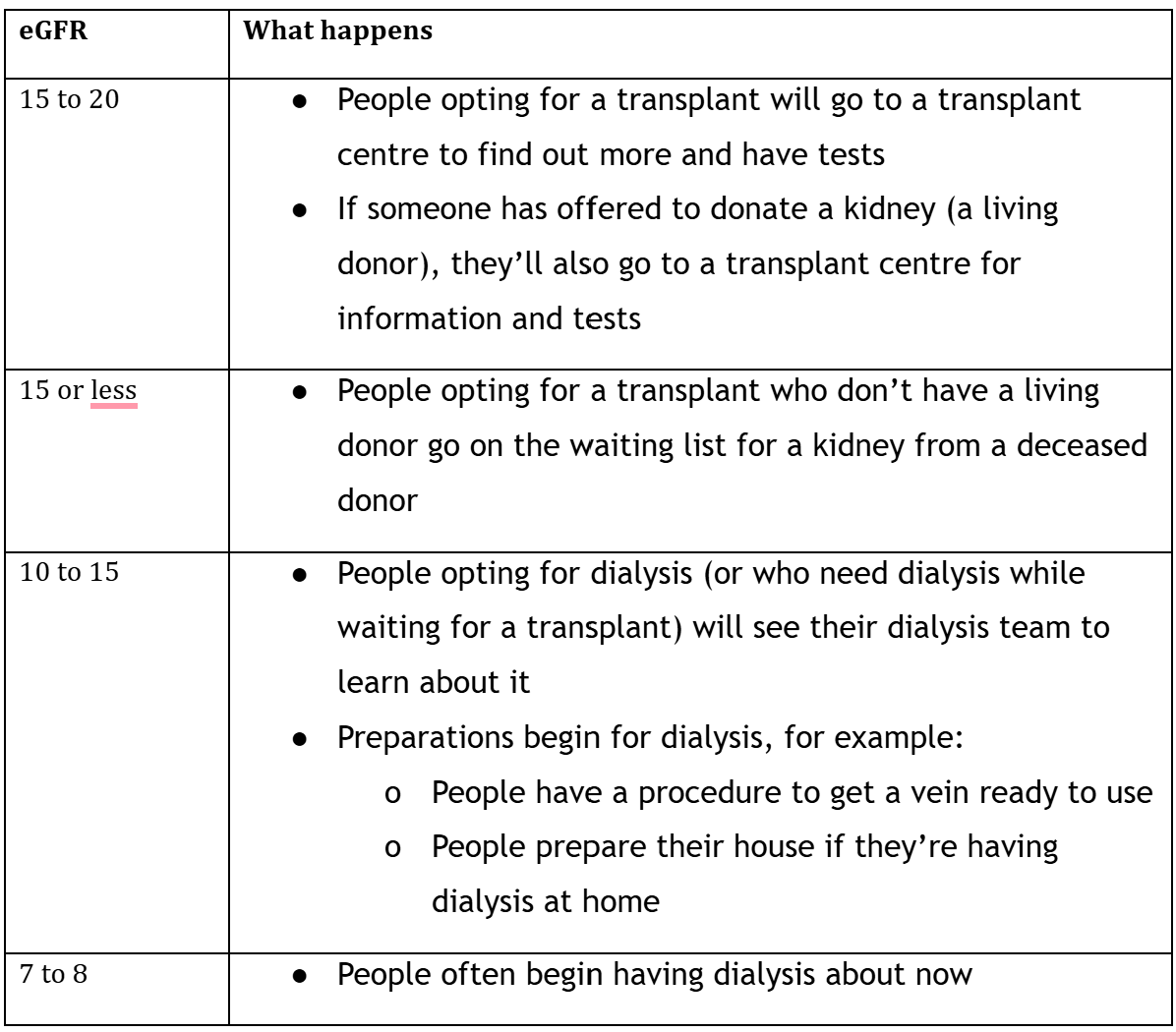
    Feedback

    We welcome feedback on the information provided on this webpage. If you have any feedback regarding the information provided on this webpage, please complete the Feedback Form.

    Read more …Peritoneal dialysis

    Progression

    Progression of ADPKD

    This information is for people with autosomal dominant polycystic kidney disease (ADPKD), their families and friends. It explains how the disease reduces kidney health over a person’s lifetime. This is known as ‘progression’.

    If you have ADPKD, your kidney function is likely to begin to fall in your 30s or 40s. If you’re younger, you might still find this factsheet useful in helping you to know what to expect later in life. 

    Contents

    What do healthy kidneys do?

    Before looking at ADPKD progression, here’s a quick reminder of what healthy kidneys do for the body:

    • filter your blood to remove waste and extra fluid
    • balance levels of salts, minerals and acids in your blood
    • help to control your blood pressure
    • tell your body when it needs to make more red blood cells
    • activate vitamin D to help keep your muscles and bones healthy

    What happens as ADPKD progresses?

    If you have ADPKD, the size and number of kidney cysts you have will gradually increase over the years.  This will make your kidneys grow bigger. The cysts will start to damage some of your healthy kidney tissue, which has less room.

    While a normal kidney is about the size of a potato, the kidneys of people with ADPKD can become as large as a rugby ball. This is because of the large cysts within them.

    Figure 1: Drawing of the inside of a polycystic kidney (right), showing cysts of different sizes, compared with a normal kidney (left).

    Although damaged tissue can’t filter as much blood as normal, the healthy parts of your kidney will make up the work for many years.

    At some point, there won’t be enough healthy tissue to do all the work your kidneys are meant to do. This is known as chronic kidney disease (CKD). Until your kidney function gets very low, you probably won’t have many symptoms.

    If you get symptoms of poor kidney function, you may need to change your diet and take medications to help. We explain this later.

    Many but not all people with ADPKD eventually get kidney failure. At this point, the kidneys are not doing the basic amount of work your body needs. This will make you unwell. If you get kidney failure, kidney replacement therapy — which can be dialysis or a kidney transplant — can replace some of the work of your kidneys and prolong your life.

    You can choose not to have dialysis or a transplant if you prefer. It’s important to understand your life could be much shorter without these treatments. Most people who make this choice are in old age and have additional health problems.

    How might I feel about my disease progressing

    Some people with ADPKD find that not knowing when their kidney function will decline makes them anxious.

    Other challenging or stressful times include:

    • finding out that your kidney function has got worse
    • waiting for a donor kidney to become available for transplant

    However, with regular kidney check-ups, you should know well in advance that your kidney health is decreasing and be able to start planning with your doctor.

    As time goes on, many people with ADPKD say they better adapt to living with the condition and feel more positive.

    Some people with ADPKD find their enlarged abdomen affects their body image or self-esteem. ADPKD can also affect relationships and sex life.

    If ADPKD is affecting your emotions, mental health, body image, self-esteem or sex life, chat to your doctor about what support is available.

    For more information and support, see living well with ADPKD and support.

    Will I develop kidney failure, and when?

    Understandably, many people with ADPKD worry about if and when they’ll develop CKD and kidney failure.

    Not everyone gets kidney failure and so not everyone needs dialysis or a transplant. The age that kidney failure happens can vary from person to person (and even within the same family).

    We show this in the graph below. Andy will need to have dialysis or a transplant about age 50, while this happens in Jen’s late 70s.

    Figure 2: Two examples of how ADPKD can progress over a person’s lifetime.

    About half of all people with ADPKD get kidney failure by the time they turn 60. Yet, a quarter of people with ADPKD reach age 70 without their kidneys failing.

    You’re more likely to have slowly progressing ADPKD if:

    • you have a PKD2 gene alteration (rather than PKD1 gene alteration)
    • you’re female (female hormones might protect the kidneys a little)
    • your kidneys are not too enlarged

    Your doctor can’t predict for sure if and when you’ll get kidney failure. However, they can track your kidney function in check-ups using urine and blood tests. Checking the size of your kidneys using scans might help to predict progression too. These predictions can be wrong for some people.

    If anxiety about your kidney function is affecting your life, ask your GP or kidney specialist to refer you for support.

    Tests to monitor ADPKD progression

    Measuring kidney function

    Kidney function is usually measured by estimating how much blood your kidneys can filter in a minute. This is known as the estimated glomerular filtration rate, or eGFR [KRUK Tests]. eGFR is measured in millilitres of blood filtered in 1 minute per 1.73 m2 of your body size [KRUK Tests]. This is written as ml/min/1.73 m2.

    Your eGFR gives a rough idea of how well your kidneys are working (see Figure 3).

    Figure 3: Understanding what your eGFR result means.

    It’s important to understand that eGFR is only an estimate and the results can waver, especially if your kidney function is quite good. The test results can be affected by many things, such as time of day, your diet, medications, hard exercise and the methods the hospital lab uses.  Don’t read too much into one unusual reading before talking with your kidney specialist.

    If your eGFR result is much lower than usual, your kidney specialist will repeat the test a few times. This is to work out if your kidney function is truly dropping or if the estimate was low.

    When monitoring your kidney health, your kidney specialist will be looking at the overall trend over a few years.

    Here is an example of how eGFR readings can waver over time, and the overall trend your doctor will be looking for:

    Figure 4: Example of how eGFR can waver over time.

    Checking for kidney damage

    A simple urine test called an albumin:creatinine ratio, or ACR, can check for signs that your kidneys are damaged. This test looks to see whether there is a protein called albumin in your urine. Having more albumin than usual in your urine is a sign of kidney damage. An ACR of 3 mg/mmol or lower suggests mild damage, while an ACR of 30 mg/mmol or higher suggests severe damage.

    Measuring kidney size

    Your doctor will estimate the size of your kidneys when you’re diagnosed with ADPKD. This is done using imaging scans and is called ‘total kidney volume’, or TKV.

    Healthy men have a total kidney volume of roughly 300–430 ml while for women it is 220–330 ml. As ADPKD progresses, your kidneys become larger as the cysts within them grow.

    On average, the kidneys of a person with ADPKD will grow by 5% or 6% each year. For example, if a person’s total kidney volume is 1000 ml this year, it may be 1060 ml next year.

    The amount the kidneys grow each year differs from person to person.

    Because blood tests can check kidney health, some experts recommend that people with ADPKD don’t need regular scans to estimate TKV, unless they have symptoms.

    Scans to estimate your TKV can be useful to see whether a treatment for ADPKD called tolvaptan (brand name Jinarc®) is suitable for you. TKV might also be used to see whether a clinical trial is an option for you.

    What is chronic kidney disease?

    If your kidneys show signs of ongoing damage or a drop in function, you will be diagnosed with ‘chronic kidney disease’ (CKD). ‘Chronic’ means the disease continues for 3 months or more. However, a chronic disease is not always serious.

    CKD can be mild, moderate, or severe. It depends on your kidney function (your eGFR) and signs of kidney damage (your ACR). We explained these tests earlier.

    Having mild CKD (stage 2) means your kidneys are functioning quite well but may show some damage. If your CKD is moderate or severe (stage 3 or 4), this means your kidney function is reduced quite a lot and your kidneys are damaged. The most serious stage of CKD is stage 5, which is also called ‘end stage kidney disease’. At this stage, your kidneys are failing. Dialysis or a kidney transplant to replace their function and prolong your life.

    What are the symptoms of poor kidney function?

    If you have mild or moderate CKD, you probably won’t have symptoms associated with reduced kidney function. If your CKD worsens, you’re likely to start feeling less well.

    People with severe CKD or kidney failure are especially likely to get:

    • tiredness and lack of energy
    • dry skin
    • difficulty sleeping
    • feeling sick
    • poor appetite, which may cause weight loss
    • less interest in sex, and finding it harder to get sexually aroused
    • bone or joint pain
    • muscle cramps, itchiness and restless legs
    • swollen ankles, feet or hands (due to fluid retention)
    • feeling dizzy or light-headed
    • finding it hard to concentrate
    • feeling sad, irritable or anxious
    • headaches
    • shortness of breath

    What other problems can ADPKD cause as it progresses?

    As your kidney cysts grow, you’re more likely to get other problems linked to ADPKD. These include:

    How often will my kidneys be checked?

    You should have a kidney check-up at least once a year. How often you have check-ups will depend on how much ADPKD is affecting your kidneys and your preference. People with poorer kidney function usually see their kidney specialist more often than those with better kidney function.

    If your kidney function is currently good, you’ll probably only need a check-up once a year. If you have severe CKD, you’re likely to have a check-up every few months.

    How is reduced kidney function treated?

    If you have mild or moderate CKD, you may not need any treatment. There are some things you can do to keep healthy, which we explain in the next section.

    If your kidney function drops further and you start getting symptoms, you may need to:

    • make changes to your diet
    • follow your doctor’s advice about the amount of liquid you drink
    • take medicines to help keep you healthy

    If doctors think your kidneys will fail in the next year or two, they’ll chat to you about your preferences for dialysis, a transplant or neither.

    How can I protect my kidneys from damage?

    There’s no cure for ADPKD. You can slow the progression of your ADPKD and protect your kidneys by taking these 3 steps:

    1. Follow your doctor’s advice to control your blood pressure if it’s high.
    2. Follow our tips on diet and lifestyle.
    3. Avoid medicines that may harm your kidneys.

    If you have mild to moderate CKD and your ADPKD is progressing rapidly, you may be eligible for a treatment called tolvaptan (Jinarc®). In trials, tolvaptan slowed the speed at which some people’s kidneys grew and also slowed their kidney damage.

    You can find out more about tolvaptan in our fact sheet on treatments for ADPKD.

    More information from the PKD Charity

    Authors and contributors


    Written by Hannah Bridges, PhD, Independent Medical Writer at HB Health Comms Limited. Reviewed by Dr Matthew Gittus, Academic Clinical Fellow, Renal Medicine, Northern General Hospital, Sheffield.

    With thanks to all those affected by ADPKD who contributed to this publication.

    Ref No: ADPKD.P.v2.0
    Last updated: July 2023
    Next scheduled review: July 2026


    Disclaimer:  This information is primarily for people in the UK. We have made every effort to ensure that the information we provide is correct and up to date. However, it is not a substitute for professional medical advice or a medical examination. We do not promote or recommend any treatment. We do not accept liability for any errors or omissions. Medical information, the law and government regulations change rapidly, so always consult your GP, pharmacist or other medical professional if you have any concerns or before starting any new treatment.

    We welcome feedback on all our health information. If you would like to give feedback about this information, please email [email protected]

    If you don't have access to a printer and would like a printed version of this information sheet, or any other PKD Charity information, call the PKD Charity Helpline on 0300 111 1234 (weekdays, 9am-5pm) or email [email protected]

    The PKD Charity Helpline offers confidential support and information to anyone affected by PKD, including family, friends, carers, newly diagnosed or those who have lived with the condition for many years.

    Read more …Progression

    Diverticula

    Diverticula

    This information is for people with autosomal dominant polycystic kidney disease (ADPKD), their families and friends. It explains problems caused by bulges in the bowel lining, called diverticula. Most people probably don’t have diverticula, but they’re more likely to occur in people with ADPKD than the general population.

    Contents

    Key facts

    • Diverticula are bulges or pouches in the lining of the colon (large bowel).
    • People with ADPKD might be twice as likely to get diverticula than the general population, but we are not certain.
    • Most people with diverticula don’t get any symptoms.
    • However, 1 in 5 people with diverticula can get pain, bloating, constipation or diarrhoea. Less commonly, diverticula can get infected or bleed.
    • A healthy balanced diet containing lots of fibre can lower your risk of getting symptoms and complications from diverticula.
    • Medicines used to treat symptoms include paracetamol for pain, laxatives for constipation, and antibiotics for an infection.

    What are diverticula?

    As people age, some develop bulges or pouches in the lining of their colon (the large bowel). These dead ends in the bowel are called diverticula (see picture).

    Picture showing a normal colon versus a colon with diverticula. The normal colon is a long worm-like tube running from the small intestine to the anus in a question mark shape. The sides are largely smooth. In comparison, the colon with diverticula has some bulges or pouches coming from it. These are small dead ends.

    Most people with diverticula don’t get any symptoms. However, sometimes people can get symptoms and, less commonly, diverticula can get infected or bleed.

    Other terms you might hear are:

    • diverticulosis: diverticula that aren’t causing symptoms
    • diverticular disease: diverticula causing symptoms
    • diverticulitis: infected and inflamed diverticula

    How common are diverticula in people with ADPKD?

    Most people with ADPKD probably don’t have diverticula. However, people with ADPKD could be twice as likely to get diverticula than the general population. We are not sure of the exact risk because there has not been much research on this.

    In a large American study, about 4 in every 100 people with ADPKD had been diagnosed with diverticula previously. This compared with about 2 in every 100 people in the general population.

    The true number of people with diverticula may be much higher than this study found. This is because diverticula don’t usually cause symptoms. So, many people probably have them without ever knowing.

    Some experts think as many as half the population could have diverticula by the time they’re 50 years old.

    Your chance of having diverticula increases with age and when you have reached kidney failure.

    If you have questions or concerns about your risk of diverticula, chat to your GP or kidney specialist.

    Symptoms

    Usually, diverticula don’t cause symptoms. However, in about 1 in 5 people, diverticula can cause symptoms such as:

    • abdominal pain (usually on the left side)
    • feeling bloated
    • constipation
    • diarrhoea
    • blood in your poo

    If a diverticulum gets infected (called diverticulitis) it can cause:

    • severe abdominal pain
    • a high temperature (38°C or higher)
    • blood and mucus (slime) in your poo

    If you get symptoms of infected diverticula, see your doctor urgently or contact the NHS for advice on 111.

    Diagnosis

    You’ll only be tested for diverticular disease if you have symptoms. Screening is not routine in the general population or for people with ADPKD. If you have tests for other bowel problems, these may spot diverticula.

    If you have symptoms such as bloating, constipation or diarrhoea, your doctor (GP) might refer you for tests to find the cause.

    Tests for diverticula include:

    • a blood test
    • a test on a poo sample
    • a colonoscopy or flexible sigmoidoscopy, for which a doctor will put a thin tube containing a camera through your anus into your bowel
    • a computed tomography (CT) scan, which uses X-rays to make images of the inside of your body

    Complications

    Problems linked to diverticula can include:

    • an infection (called diverticulitis)
    • an abscess (collection of pus) in the abdomen
    • bleeding from the bowel
    • a hole in your bowel wall

    In a study, 1 in 5 people with ADPKD who had received a kidney transplant got an infected diverticulum (diverticulitis) within 12 years.

    If you have high blood pressure or constipation, this may increase your risk of getting problems linked to diverticula.

    If you get any of the symptoms we listed earlier, see your GP.

    Treatment

    There is no cure for diverticula. Changes to diet and medicines can help to prevent and manage symptoms.

    Management of diverticula without symptoms

    If you have diverticula but no symptoms (known as diverticulosis), you won’t need any treatment.

    A healthy balanced diet containing lots of fibre can lower your risk of getting symptoms and complications. Foods high in fibre include whole grains, fruit and vegetables. You can find out more about a high-fibre diet at NHS Inform.

    Treatment of diverticular disease

    Diet

    If you have diverticula that are causing symptoms (known as diverticular disease), your doctor may recommend a diet high in fibre. We explain this above.

    Pain

    If your diverticula are causing pain, your doctor will recommend painkillers, such as paracetamol.

    Don’t take non-steroidal anti-inflammatory drugs such as ibuprofen (Nurofen®) unless your doctor says this is okay. These drugs can harm the kidneys of people with ADPKD. They may also increase your risk of getting bleeding diverticula or a hole in your bowel wall.

    Constipation

    If you have constipation, your doctor or pharmacist can recommend laxatives for you. The type of laxative that can help is a ‘bulk-forming laxative’. Examples are ispaghula husk, methylcellulose and sterculia.

    Bleeding

    Occasionally, diverticula can bleed due to a blood vessel bursting. This is usually painless but can cause a lot of blood loss.

    If you have small amounts of blood when you poo, see your GP.

    If you have a lot of blood coming out your bowel, get medical care urgently. Go to accident and emergency (A & E) or call 111 for advice.

    If you have a big bleed, doctors in the hospital can assess how much blood you’re losing and give you a blood transfusion if needed. The bleeding usually stops on its own, but some people need surgery.

    Treatment of diverticulitis

    If you have signs of an infected diverticulum (called diverticulitis) and are unwell, your doctor will prescribe you antibiotics. They’ll explain the signs of the infection worsening to look out for and when to contact them. 

    You might need to stay in hospital if you have a bad infection, can’t take oral antibiotics, or are in poorer health. 

    Usually, diverticulitis gets better with antibiotics. However, if the infection spreads or causes an abscess, you might need surgery. 

    Why are people with ADPKD more likely to get diverticula?

    We don’t know why diverticula are more common in people with ADPKD, especially those with kidney failure.

    One suggestion is that the gene alterations that cause ADPKD may also weaken the muscle in the bowel wall. Another idea is that the ‘glue’ that holds cells together (the extracellular matrix) is abnormal in the bowel of people with ADPKD.

    Can people with diverticula have peritoneal dialysis?

    If you’re due to start dialysis, you and your kidney specialist will talk through the best options. The main two types of dialysis are:

    • haemodialysis, for which a machine filters your blood
    • peritoneal dialysis, where you put fluid in your abdomen

    You can learn about dialysis on our website.

    Having diverticula doesn’t usually stop you being able to have peritoneal dialysis. However, if you keep getting infected diverticula, haemodialysis might be a better option for you. This is because there is a risk that an infection in a diverticulum could spread into the area of the abdomen being used for peritoneal dialysis. This is just one factor your specialist will help you to consider, among many others.

    More from the PKD Charity

    Information and support from others

    The Bladder and Bowel Community provides support to people with bladder and bowel conditions (email: [email protected]).

    Further information

    All of our publications are based on references but these are removed for ease of reading on our webpages. A version of this webpage with references included is available upon request by emailing [email protected]

    Authors and contributors

    PIF

    Written by Hannah Bridges, PhD, independent medical writer, HB Health Comms Limited. Reviewed by Dr Lukas Foggensteiner, Consultant Nephrologist, NHS University Hospitals Birmingham.

    With thanks to all those affected by PKD who contributed to this publication.

    Ref No: ADPKD.DIV.V3.0
    Latest version: © PKD Charity May 2025
    Due to be medically reviewed: May 2028

    Disclaimer: This information is primarily for people in the UK. We have made every effort to ensure that the information we provide is correct and up to date. However, it is not a substitute for professional medical advice or a medical examination. We do not promote or recommend any treatment. We do not accept liability for any errors or omissions. Medical information, the law and government regulations change rapidly, so always consult your GP, pharmacist or other medical professional if you have any concerns or before starting any new treatment.

    If you don't have access to a printer and would like a printed version of this information sheet, or any other PKD Charity information, call the PKD Charity Helpline on 0300 111 1234 (weekdays, 9am–5pm) or email [email protected]

    The PKD Charity Helpline offers confidential support and information to anyone affected by PKD, including family, friends, carers, newly diagnosed or those who have lived with the condition for many years.

    Read more …Diverticula

    Feedback

    We welcome feedback on the information provided on this webpage. If you have any feedback regarding the information provided on this webpage, please complete the Feedback Form