
Decades of Dedication to PKD Charity - Rebecca’s Story
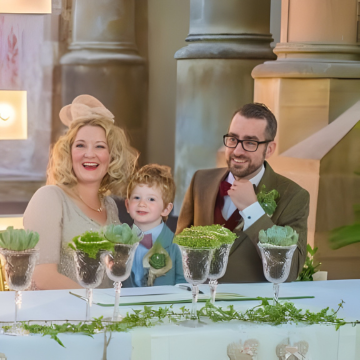 As we celebrate our 25th anniversary year, we pay tribute to some of the people who have made our journey possible. One of those is Rebecca, the PKD Charity’s longest serving trustee. She has given more than 20 years of her time, energy and humour to supporting the charity. A proud mum of two boys from Manchester, Rebecca is also a director of her family business, founded back in 1955.
She has lived with Polycystic Kidney Disease (PKD) since childhood and received a kidney transplant in 2013 - facing it all with true northern grit, warmth, and a wicked sense of humour.
This is her story, in her own words.
Living with PKD
I was just 13 when I was diagnosed. It all began with a cystic bleed. At the time I was doing karate and thought the pain was simply part of my menstrual cycle.
My mum was already a PKD patient at Manchester Royal Infirmary, so I had always known about the genetic risks. Because of that family history, I was referred to the genetics team at the hospital. A scan confirmed the diagnosis.
A Family Loss and a New Beginning
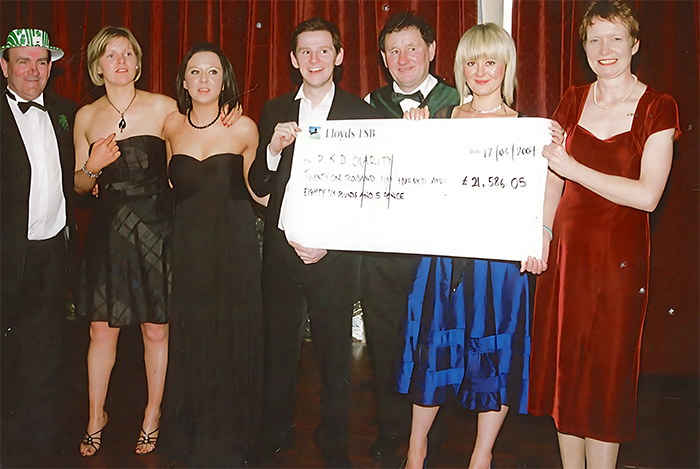
In 2002, my mum passed away. She had run our family’s construction business alongside my dad. To honour her life, and to raise money for the PKD Charity, we organised a black-tie dinner dance. My sister had a place in the London Marathon, so the event was designed to support her fundraising. We named it the Geraldine Murphy Black Tie Memorial Dinner Dance, and it quickly became a well-loved and respected annual occasion.
It was more than just a fundraiser. It was a chance to celebrate life, share laughter, and raise awareness of PKD in a way that wasn’t overly clinical or medical. We had Irish dancers, comedians, raffles and auctions. The highlight each year was the “star prize”: a wheelbarrow! But not just any wheelbarrow—over the years we had crystal-covered ones, motorised self-tipping versions, even a bike-barrel you could ride. These brought fun to what could otherwise have been a heavy subject, and guests loved it.
We were delighted whether we made £1 or £15,000. The goal was always the same: to honour my mum and spread awareness of PKD.
Becoming a Trustee
After the first few years, we had raised so much that we became one of the charity’s principal fundraisers. The board asked if a member of the family might want to become a trustee, so we had a say in how the funds were used. That’s how I joined in 2003.
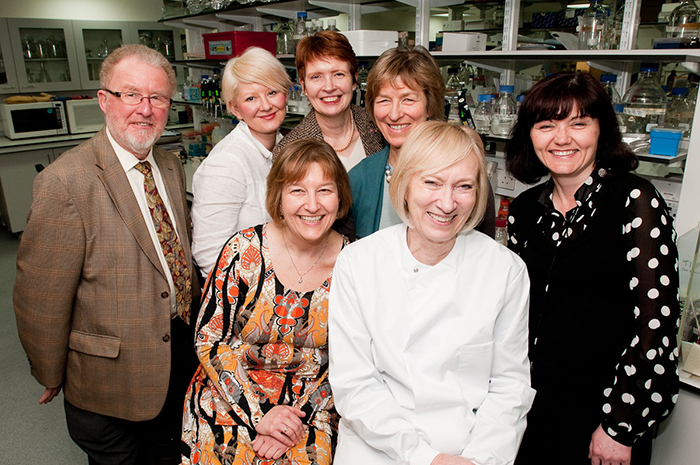
Since then, I’ve seen so much change over the years. PKD Charity has grown stronger, more diverse, more structured, and with better planning and support for the future. We now have more focus on ARPKD, more resources for patients and families, and clearer strategies to make sure we can continue to provide vital help.
Patient and Advocate
One of the challenges with genetic conditions like PKD is that your expectations are often shaped by the experience of those you’ve cared for. For me, that was my mum. It took time to re-write my own journey and realise my future didn’t have to follow the exact same path.
In 2013, I received a kidney transplant from my aunt. Every day I am grateful that my kidney is still working. That gift gave me the chance to live life fully, and it motivates me to keep giving back.
Working alongside Tess, our late CEO, was another highlight. She was full of vision and drive, and her commitment helped shape the charity into what it is today. I remember when we travelled together to the United States to attend a PKD Foundation event. Their regional fundraising groups competed fiercely, but what stood out to us was the strength of our supporters. They were, and still are, our greatest investors.
Looking Ahead
For me, the most memorable thing about PKD Charity will always be the people: those who give up their time, resources and energy to support patients and families. I’ve loved seeing how the charity has evolved, and I hope it continues to be the first port of call for anyone newly diagnosed, as well as for patients and carers already living with PKD.
It has been a privilege to play a part in this journey, and I look forward to what’s still to come.
What a Trustee of the PKD Charity Does
Even though being a trustee is a voluntary role, it carries serious responsibilities. Trustees help make sure the charity is well run, financially sound, and achieving its goals. This involves:
- Setting the charity’s direction: Helping decide the charity’s aims, priorities, and long-term plans.
- Overseeing finances: Approving budgets, checking spending, and making sure money is used properly and for the right purposes.
- Managing risks: Identifying and managing any risks to the charity’s work, reputation, or finances.
- Supporting and providing oversight to the chief executive or staff: Offering guidance and strategic direction without getting involved in day-to-day operations.
- Ensuring legal compliance: Making sure the charity follows the law, including charity, employment, and health regulations.
- Protecting the charity’s reputation: Acting as an ambassador, promoting our work, and maintaining public trust.
- Reviewing performance: Checking that the charity’s work is effective and that it’s meeting its goals.
- Upholding good governance: Attending trustee meetings, preparing properly, and taking collective responsibility for decisions.

If you would like to speak to us about what support we can offer you or a loved one, please visit PKD Support or contact us today and speak to a member of our team.