
COVID Vaccines,Testing and Treatments – Autumn/Winter
Latest Information, October 2025.
Many people may feel that COVID-19 is “over” and that another vaccine isn’t necessary. However, health officials continue to emphasise that staying up to date with COVID-19 vaccines is important, particularly for those who are more vulnerable, including people with long-term health conditions such as Autosomal Dominant PKD (ADPKD) or Autosomal Recessive PKD (ARPKD).
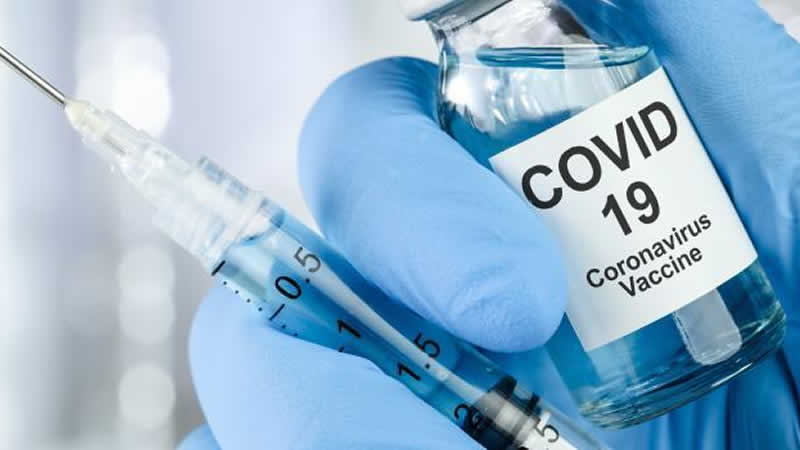
COVID-19 Vaccination
You can get the COVID-19 vaccine if you:
- Are aged 75 or over (including those who will be 75 by 31 January 2026)
- Are aged 6 months to 74 years and have a weakened immune system because of a health condition or treatment
- Live in a care home for older adults
COVID-19 vaccines are offered because viruses change and protection fades over time. It’s important to top up your protection if you’re eligible.
The vaccine should usually be offered no earlier than around 6 months after the last vaccine dose. If you are eligible, you can get protection from an autumn/winter COVID-19 vaccination even if you have not taken up a COVID-19 vaccine offer in the past.
For people with kidney conditions such as PKD:
Some people with PKD may have reduced kidney function or be on treatments that affect their immune system. Getting the COVID-19 vaccine can help:
- Reduce your risk of severe symptoms
- Support faster recovery if you catch COVID-19
- Reduce your risk of hospitalisation or death
- Protect against different strains of the virus
How to get a COVID-19 vaccine
Here is information from each UK nation about their vaccine programme and how to access appointments:
The last date you will be able to get your COVID-19 vaccine is 31 January 2026. Online booking will close on 30 January 2026.
COVID-19 Testing and Treatments
Getting a Covid-19 Test
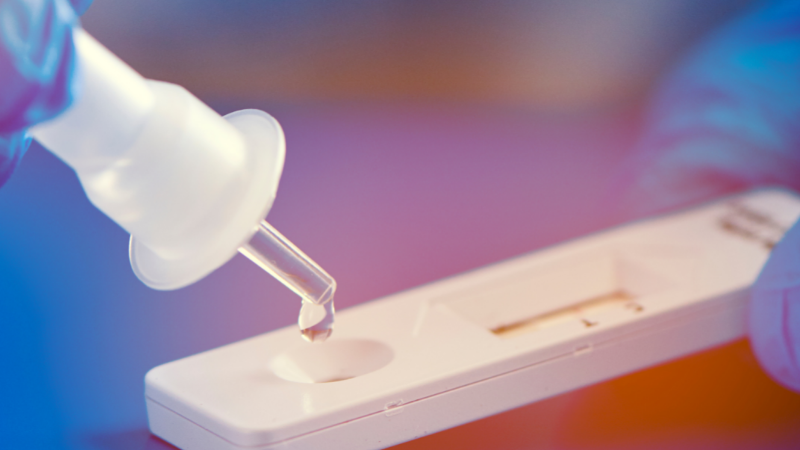
Covid-19 tests, whether government-issued or purchased privately, can be used to access Covid-19 treatments. People eligible for treatment should keep at least three tests at home, to use over three consecutive days if symptoms appear. Tests should only be used when symptoms are present.
Free tests are no longer available to the general public. However, those eligible for Covid-19 treatments can access free lateral flow tests (LFTs) as follows:
- England: Collect free LFTs from participating community pharmacies.
- Scotland: Order free LFTs online.
- Wales: Collect free LFTs from participating pharmacies (see the NHS Wales website for locations).
- Northern Ireland: Collect free LFTs from participating community pharmacies.
Pharmacies may ask about your medical history to confirm eligibility. Bringing a letter or email from the NHS confirming your eligibility can make the process faster, though it is not essential.
If someone else is collecting tests on your behalf, provide the pharmacy with your details, including:
Medical condition(s) confirming eligibility
- NHS number (if available)
- Full name
- Date of birth
- Address
- Any relevant letters or emails regarding Covid-19 treatments
How to Get COVID-19 Treatment if You Test Positive
The NHS provides COVID-19 treatment for people at highest risk of serious illness, including those with CKD stage 4 or 5, including dialysis patients. Treatment access depends on where you live.
England
- Contact your GP, NHS 111, or hospital specialist immediately. They will be able to directly refer you to the Covid Medicines Delivery Unit (CMDU) for your area. However, the advice may differ depending on area, where in some cases you can directly refer yourself for assessment for treatment. Your local Integrated Care Board (ICB) can provide information.
- If negative, repeat LFTs for a total of 3 tests over 3 days.
- More info: NHS COVID-19 treatments
Scotland
- Contact your local health board if eligible and COVID-positive.
Wales
Contact your GP and state:
- You have COVID-19 symptoms and a positive test.
- You are in the high-risk group.
- Your GP may prescribe antivirals or refer you to a hospital for alternative therapy (e.g., sotrovimab injection) if needed.
Northern Ireland
- Contact your GP or out-of-hours service for assessment and referral.
Eligibility for the Immunosuppressed
Determining if you’re immunosuppressed can be more complex than other criteria, and online sources may cause confusion. Eligibility for vaccination is detailed in Chapter 14a of the Green Book (UKHSA), which can be technical, so here’s a summary of key groups:
- Organ, bone marrow, or stem cell transplant recipients
- People on systemic steroids for over a month
- Those living with HIV
- People receiving immunosuppressive or immunomodulating biological therapy
- Patients undergoing chemotherapy or radiotherapy
- Individuals needing long-term immunosuppressive treatment
- Those with a history of haematological malignancy (e.g., leukaemia, lymphoma)
- People with genetic immune disorders
This list is not exhaustive. Check nhs.uk/get-vaccine for full eligibility.
If you would like to speak to us about what support we can offer you or a loved one, please visit PKD Support or contact us today and speak to a member of our team.
ARPKD, COVID-19, Booster, Vaccine, Coronavirus, PKD, PKDTreatment, Guidelines, covid, news