
Helpline

0300 111 1234

Giving birth with ADPKD 

This information is for women with autosomal dominant polycystic kidney disease (ADPKD) who are planning the birth of their baby. It’s also for their partner, family and friends. It explains the extra care that is available during birth to help keep you and your baby safer. We also have web pages on planning a pregnancy and being pregnant.  

If reading about the risks of birth causes you any worry, our helpline is available on 0300 111 1234, Facebook Messenger and by email on [email protected]

Key facts

  • You can choose where you give birth. 
  • Your pregnancy care team (antenatal team) will explain the pros and cons of different settings. 
  • Your pregnancy doctor (obstetrician) may advise you to give birth in hospital if your kidneys don’t work well. 
  • They might also advise this if you have high blood pressure, pre-eclampsia or have had other pregnancy problems. 
  • Your midwife or obstetrician will monitor your baby during your labour. 
  • They may offer extra monitoring for your baby’s heart. 
  • Some but not all women with ADPKD have surgery (a caesarean) to deliver the baby. 
  • Your midwife or obstetrician will explain different types of pain relief for labour and birth. 
  • If your kidneys don’t work well, some pain killers might not be suitable for you, or you may need a lower dose.  
  • You should have a check-up with your kidney specialist within 6 months of giving birth. 

Where will I give birth? 

You can choose where you give birth. This could be at home, at a birth centre led by midwives, or in the hospital. For more information on these options, see the Tommy’s website. Tommy's are a charity that provide information and support around pregnancy.  

Your antenatal team will explain the pros and cons of different settings. This depends partly on how your pregnancy has gone and any previous births you’ve had. 

Your pregnancy doctor (obstetrician) may advise you to give birth in hospital if your kidneys don’t work well. They might also advise this if you have high blood pressure, pre-eclampsia or have had other pregnancy problems. 

Hospitals are best equipped to monitor you and your baby closely. They can quickly give you any extra care needed.  

Your antenatal team should respect your choices for the birth. 
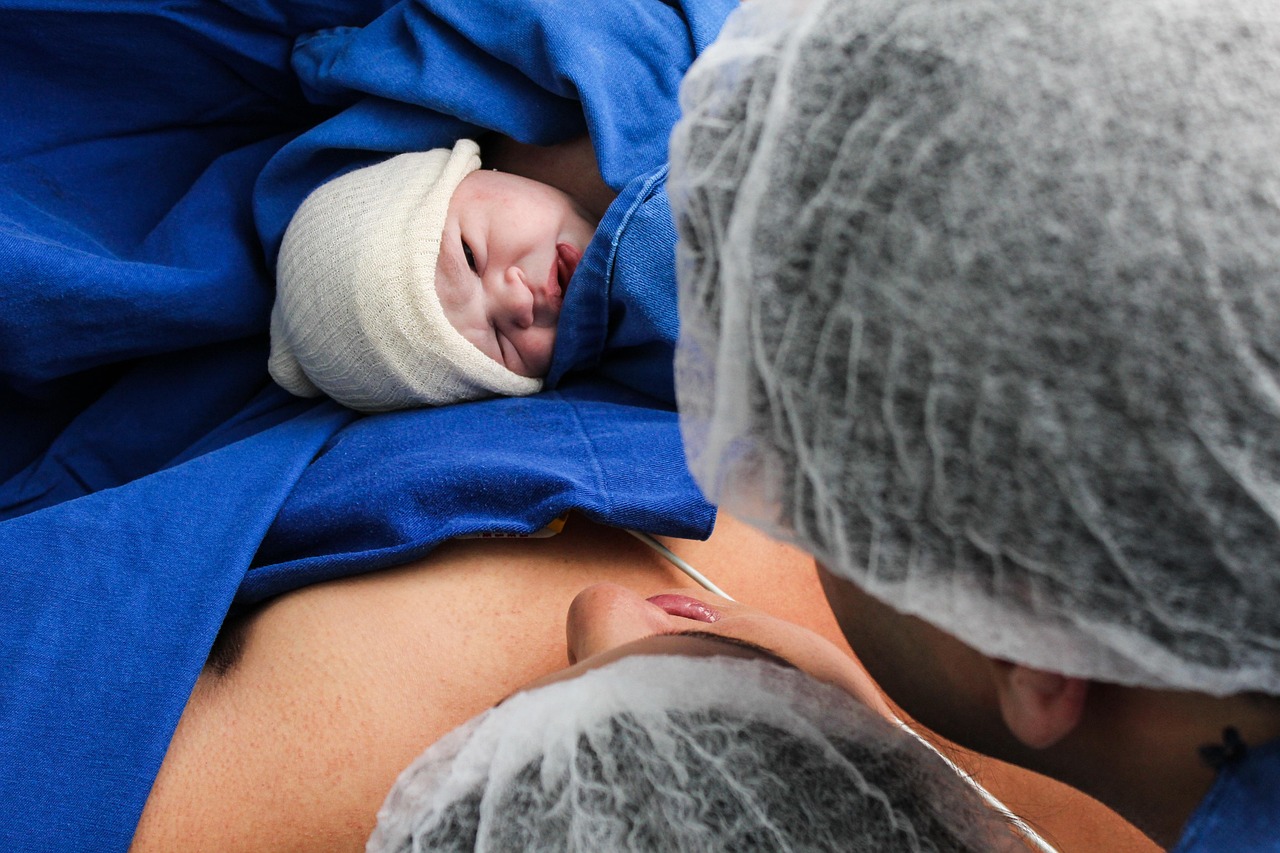
A photo of a couple looking at their newborn baby

How will our baby be monitored during labour and birth? 

Your midwife or obstetrician will monitor your baby during your labour. They may offer extra monitoring for your baby’s heart. This is called continuous cardiotocography (CTG).  

CTG allows midwives and doctors to see your baby’s heart rate. If there are any signs of problems, they can give you and your baby the care you need right away.  

What type of delivery will I have? 

Your obstetrician will talk you through options for your baby’s delivery.  

The two options are: 

  • giving birth through your vagina  
  • having surgery (a caesarean or ‘C-section’)  

You can learn about types of delivery on the Tommy’s website.  

Your obstetrician will explain the pros and cons of each option. 

If you’ve had some problems during pregnancy, your obstetrician might recommend you give birth early. This could be 1 or 2 weeks before your due date, for example.  

If you have the baby early options are: 

  • a caesarean 
  • using medicines or devices to start your labour (induction) 

Some but not all women with ADPKD have a caesarean.  

If you or a close relative have had a brain aneurysm, your obstetrician might recommend a caesarean.  

What options will I have for pain relief during labour and birth? 

Your midwife or obstetrician will explain different types of pain relief for labour and birth. They’ll offer all options unless there’s a reason some wouldn’t be suitable. 

You can choose to give birth without medicines for pain relief if you prefer.  

Options for pain relief include: 

  • a machine that uses a small electric current to reduce pain, called a transcutaneous electrical nerve stimulation (TENS) machine 
  • injections of strong pain killers (pethidine and diamorphine) 
  • breathing a mix of nitrous oxide gas and air (Entonox®) 
  • an injection of numbing medicine (anaesthetic) into your spine, which is called an epidural 

If your kidneys don’t work well, some pain killers might not be suitable for you, or you may need a lower dose.  

Using a birthing ball or giving birth in water might help to ease pain a little.  

Which pain killers can I use after the birth? 

Ask your doctor which pain killers you can use after the birth. 

  • Don’t take non-steroidal anti-inflammatory drugs (NSAIDS), such as ibuprofen (Nurofen®) or diclofenac (Voltarol®) unless your doctor says this is okay. These medicines can harm your kidneys.  
  • You can use paracetamol even if you’re breastfeeding. 
  • Don’t take codeine if you’re breastfeeding.  

Can I breastfeed? 

If you want to breastfeed, check with your GP or kidney doctor that this is safe with any medicines you take. If any medicines would be a problem, you might be able to change them.

How can we find out whether our baby has ADPKD?  

Unless you have had pre-implantation genetic testing (PGT) or chorionic villus sampling, you won’t know whether your baby has ADPKD before they’re born. We explain these tests on our webpage on planning a pregnancy. 

It’s uncommon for signs of ADPKD to show up on scans during pregnancy. Most children with ADPKD don’t have symptoms until they’re older. 

Children can be tested for ADPKD if either parent has the condition. 

The two types of test are: 

  • a kidney scan 
  • a genetic test to look for a gene causing ADPKD  

You can find out about these tests on our webpage Symptoms of ADPKD and tests in children. 

Do I need a kidney check-up after birth? 

You should have a check-up with your kidney specialist within 6 months of giving birth.  

They’ll check your kidney function and blood pressure. They’ll suggest changes to any blood pressure medications you take, if needed, to control your blood pressure better.   

Where can I get practical and emotional support? 

For information, practical advice and emotional support from people with experience of ADPKD, ring our confidential PKD Helpline 0300 111 1234. We’re open 9:30am to 5:00pm, Monday to Friday, except bank holidays. 

You can connect with other people with ADPKD via our Facebook group or PKD support groups. 

The charities Tommy’s and the National Childbirth Trust (NCT) also offer advice on pregnancy, birth, miscarriage, caring for babies and more.  

A private doula can also provide practical advice and emotional support. Doulas are not medically trained but have experience of how to help people through pregnancy, birth and afterwards. Find out more on the Tommy’s website. 

Will my ADPKD affect how well I can parent? 

Having ADPKD won’t stop you being a good parent.  

You might need more support with childcare if you’re unwell or having treatment.   

Ask your kidney doctor to explain how your ADPKD may affect your health as you get older. 

Chat with your partner, family and friends about any worries. Having their support and putting plans in place can be reassuring.  

You may find it helpful to talk to other parents with ADPKD. You can connect with them through our Facebook group or support groups.

Useful information from others 

  • Tommy’s (a pregnancy and baby charity) has lots of information on giving birth. 
  • The NHS website has information on birth. 

Authors and contributors

Written by Hannah Bridges, independent medical writer, HB Health Comms Limited. Reviewed by Dr Mairéad Hamill, Nephrology Specialist Registrar, Kings College London, London, UK. 

This page was adapted from an earlier version written by Dr Kate Bramham, Consultant Nephrologist and Olivia Snowball, Research Midwife. 

With thanks to all the people affected by ADPKD who contributed to this publication. 

Ref No: ADPKD.BEP.V4 
© PKD Charity 2026 (Charity no: 1160970)
First published: August 2026 
Due to be medically reviewed: August 2029 
 

Disclaimer: This information is primarily for people in the UK. We have made every effort to ensure that the information we provide is correct and up to date. However, it is not a substitute for professional medical advice or a medical examination. We do not promote or recommend any treatment. We do not accept liability for any errors or omissions. Medical information, the law and government regulations change rapidly, so always consult your GP, pharmacist or other medical professional if you have any concerns or before starting any new treatment. 

If you don't have access to a printer and would like a printed version of this information sheet, or any other PKD Charity information, call the PKD Charity Helpline on 0300 111 1234 (weekdays, 9am–5pm) or email [email protected] 

The PKD Charity Helpline offers confidential support and information to anyone affected by PKD, including family, friends, carers, newly diagnosed or those who have lived with the condition for many years. 

Feedback

We welcome feedback on the information provided on this webpage. If you have any feedback regarding the information provided on this webpage, please complete the Feedback Form