

Why does Polycystic Liver Disease affect people with PKD differently?
Many people with ADPKD also develop polycystic liver disease (PLD). This is where cysts grow in the liver. We recently told you about £812,000 of new research funding through the PKD Partnership. This week, we're sharing the first of five new projects. This first project looks at PLD.
PLD affects people in different ways. Some people have many liver cysts but few symptoms. Others have symptoms that make everyday life much harder. People with PLD have also told us that the care they get can depend on which hospital they go to.
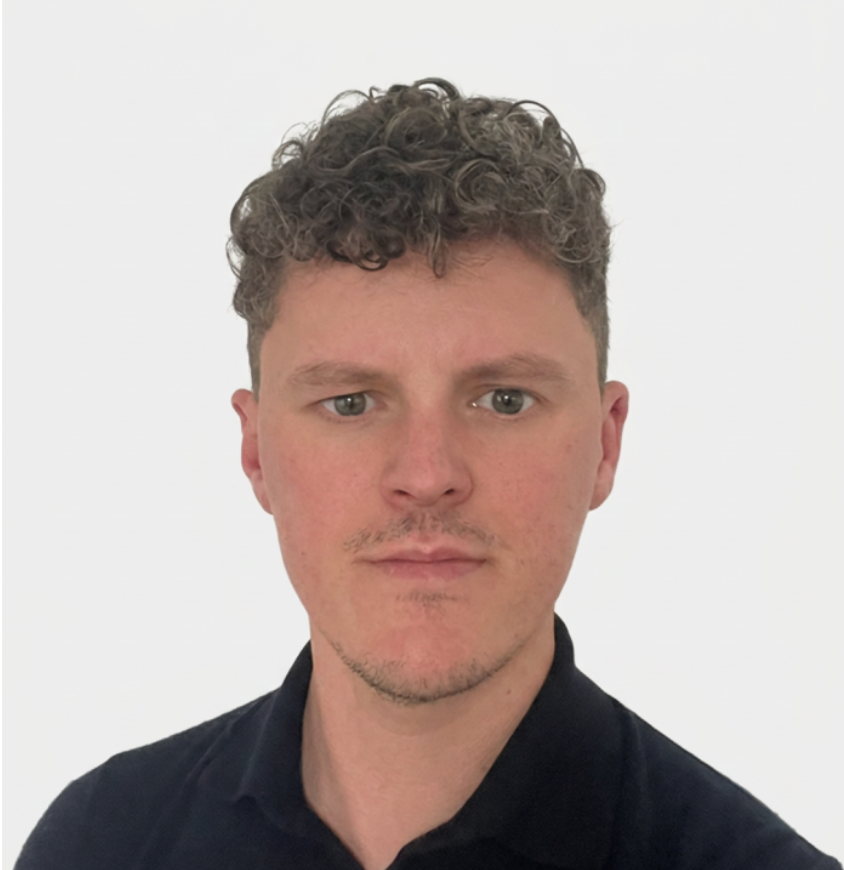
Dr Matthew Gittus and his team at Sheffield Teaching Hospitals NHS Foundation Trust have been given £19,000 to look at these issues. They will use information from a large UK database called a registry.
"People living with polycystic liver disease can have very different experiences, and we don't yet fully understand why.
By bringing together information from people across the UK, we hope to identify the factors that lead to more severe disease and ensure everyone has access to the best possible care, regardless of where they are treated." says Dr Gittus.
What is this research looking at?
In polycystic liver disease (PLD), cysts grow in the liver. This can make the liver larger and put pressure on other organs. It can cause symptoms such as pain, bloating, sickness and acid reflux.
These symptoms can have a real effect on everyday life. But not everyone gets the same symptoms. Some people have few symptoms, while others have many. Knowing who is more likely to get severe symptoms could help doctors plan care and treatment.
People with PLD have also said that the care they get can depend on which hospital they go to. This includes access to medicines and procedures such as cyst drainage and liver surgery.
This research will look at whether this is happening. If it is, the findings could help support a more consistent approach to treatment across the UK.
How will the team do the research?
Dr Gittus and his team will use a registry to carry out the research.
A registry is a database that collects information from people with a condition. This can include medical history, test results and details about treatments.
Using the registry, the team will look at whether people get different treatments depending on which hospital they go to. They will also look at how treatment differs between hospitals.
The team will also look for links between people's backgrounds, health information and symptoms. Looking at information from lots of people could help them understand why PLD affects some people more than others.
How could this help people with PKD?
This research could help doctors work out which people are more likely to get serious liver symptoms. This could help them decide who may need treatment sooner or more regular check-ups.
It could also help us better understand how PLD is treated across the UK. If there are differences between hospitals, the findings could help support more consistent care across the UK. They could also help make sure treatment is guided by the best available research.
To sum it up, this research could help more people with PLD get the right care at the right time.
More about Dr. Matthew Gittus
“I am a nephrology doctor and researcher at Sheffield Teaching Hospitals NHS Foundation Trust, where I care for people living with kidney disease and study how we can improve the way rare kidney conditions are understood and treated.
I became interested in autosomal dominant polycystic kidney disease (ADPKD) through my clinical work, seeing the impact that it can have on people and their families. While much of the focus in ADPKD has traditionally been on kidney problems, I became increasingly interested in the effects of complications outside the kidneys.
One of the things that stood out to me was how differently polycystic liver disease (PLD) can affect people. Some individuals may have many liver cysts but few symptoms, while others develop significant liver enlargement that can have a major impact on their quality of life. We still do not fully understand why these differences occur or whether everyone has equal access to the treatments they need.
My research aims to understand these differences and help improve care for people living with ADPKD. By studying information from people across the UK, we hope to identify factors that influence disease progression and understand how care varies between hospitals.
Ultimately, I hope this work will help us provide more personalised care, so that people living with ADPKD and PLD receive the right support and treatment at the right time.”
Research lay summaries, Liver, PKD Partnership, latest news, PKD Study
- Hits: 1635