
Study finds promising new treatment approach for PKD
New research led by Professor Colin A Johnson and researchers at the University of Leeds and University of Sheffield, has identified a promising new way to treat polycystic kidney disease (PKD) by testing drugs that already exist. The study, published in Communications Medicine, was supported by the PKD Charity and Kidney Research UK.

Why are new treatments needed?
Autosomal dominant polycystic kidney disease (ADPKD) is the most common form of PKD. It affects around 70,000 people in the UK and up to 12 million people worldwide. Over time, fluid-filled cysts grow in the kidneys, reducing kidney function and, for many people, leading to kidney failure.
At the moment, Tolvaptan is the only licensed treatment for ADPKD. It can slow the loss of kidney function but is not a cure, and some people experience side effects. This is why finding new treatments remains a priority.
Why are cilia important in this research?
Cilia are tiny, hair-like structures found on the surface of many cells. They act like sensors, helping cells detect and respond to changes in their surroundings.
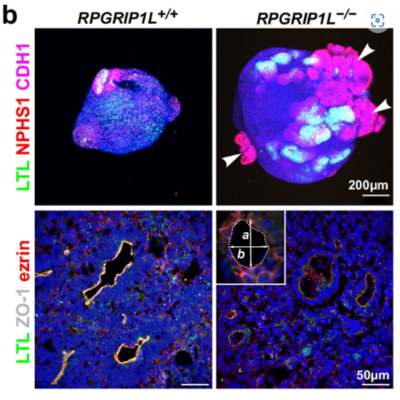
In people with PKD, inherited changes in certain genes can affect how cilia function. This means kidney cells receive the wrong signals, leading to the growth of fluid-filled cysts over time.
Because cilia play an important role in the development of PKD, researchers are studying how they work and whether improving cilia function could lead to new treatments.
Testing existing drugs to find new treatments
Professor Johnson and his team tested a range of drugs that are already being developed for other conditions. They wanted to see whether any could improve cilia function in laboratory models of PKD.
The researchers found that a protein called ROCK2 plays an important role in how cilia form and function.
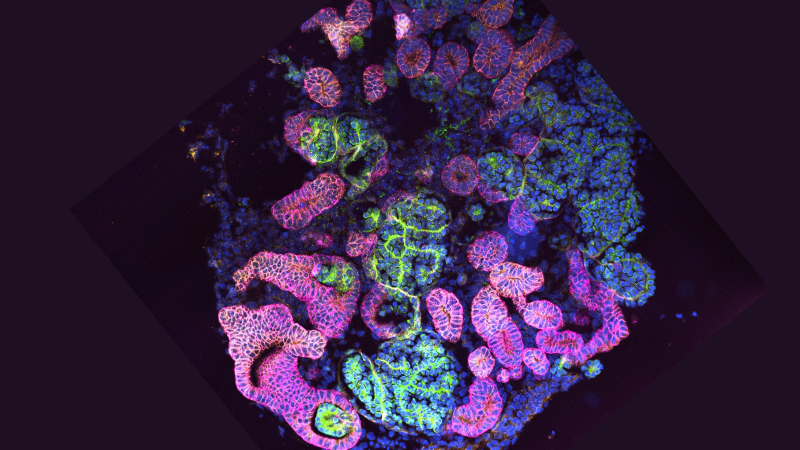
Drugs that block ROCK2 showed encouraging results, including in kidney organoids – tiny, lab-grown models that closely resemble human kidneys.
Professor Johnson said:
"Our results suggest that blocking ROCK2 could offer a new and effective approach to treating the cause of PKD. Although more research is needed, using drugs that are already available could help speed up the development of new treatments for patients."
What happens next?
Following these promising early results, the team will carry out further pre-clinical research to build the evidence needed before moving towards clinical trials.
While this research is still at an early stage, it provides new hope for people affected by PKD and their families. It also highlights the potential of drug repurposing – finding new uses for medicines that are already being studied or used – to help speed up the search for effective new treatments.
If you'd like to discuss how we can support you or a loved one, learn more about our services or contact our team today.
- Hits: 554