
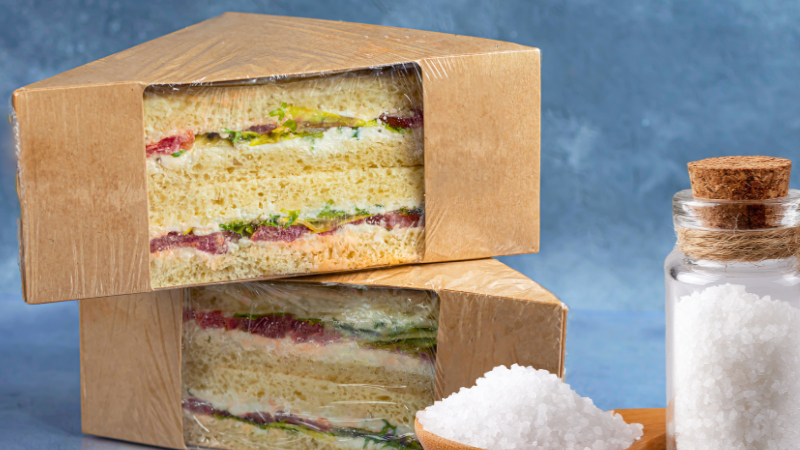
The hidden impact of salt on kidney health and PKD
How often do we hear that too much salt is bad for PKD, but why is it such a concern?
For people living with polycystic kidney disease (PKD), reducing salt intake can play a key role in protecting kidney function and managing complications such as high blood pressure.
PKD causes cysts to grow in the kidneys, making it harder for them to work properly over time. One of the biggest risks for people with PKD is high blood pressure, and too much salt can make this worse. Salt causes the body to hold onto extra fluid, which increases blood pressure and puts extra strain on the kidneys. Over time, this can speed up kidney damage and increase the risk of kidney failure, stroke and heart disease.
In PKD, high salt intake may also increase levels of a hormone called vasopressin, which is linked to cyst growth and faster decline in kidney function. This is one reason why reducing salt intake is considered an important part of managing the condition.
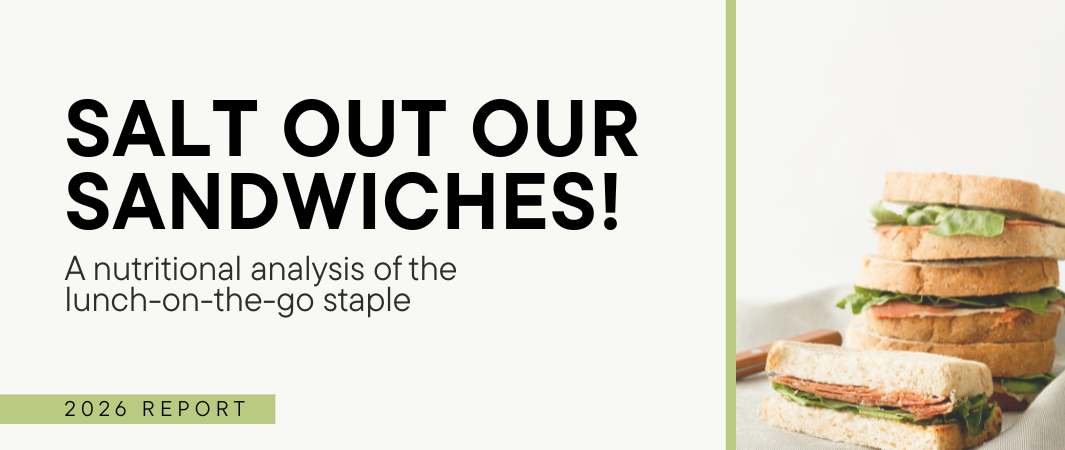
Hidden Salt in Everyday Foods: The Sandwich Problem
The challenge is that much of the salt we eat is hidden in everyday foods, including one of the UK’s favourite lunches: sandwiches.
A new report from Action on Salt & Sugar, released during Salt Awareness Week 2026, found worrying levels of hidden salt in many sandwiches sold in supermarkets and high street chains. The research looked at 546 products and found that:
- 44% would receive a red ‘high salt’ warning label
- 1 in 4 are classed as less healthy
- More than 1 in 10 failed to meet government salt reduction targets
- Some sandwiches contained more salt than an adult should eat in an entire day
With an estimated 11.5 billion sandwiches eaten in the UK every year, even small reductions in salt could have a major impact on public health.
For people with PKD, these hidden sources of salt matter. Foods like bread, sauces, processed meats and ready meals can all add up quickly, often without us realising. Much of our food is already ‘ready salted’ whether we want it or not, with most salt added during manufacturing in everyday items - and once it’s in, we can’t take it out. That’s why PKD Charity supports stronger action and call on government and the food industry to do more to protect public health and Salt It Out for good.
Reducing Salt Intake to Protect Kidney Health
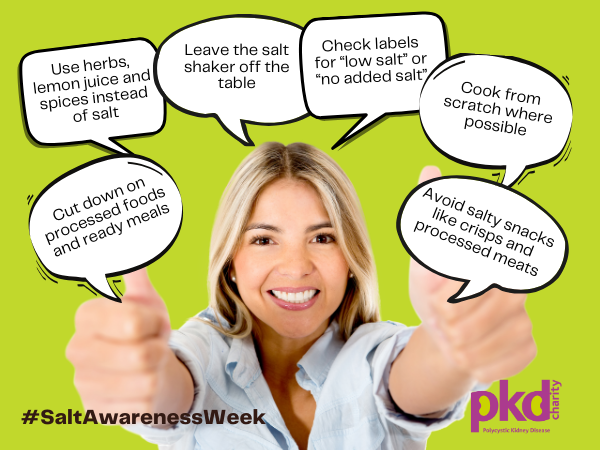
There are simple steps that can help reduce salt intake and support kidney health:
- Check food labels and choose lower-salt options where possible. Aim for no more than 5-6g of salt per day (about 1 teaspoon)
- Cook more meals at home using fresh ingredients - use herbs, garlic, lemon juice, or spices to add flavour instead of salt
- Limit processed and convenience foods
- Avoid salty snacks like crisps, salted nuts, and processed meats
- Don’t add salt at the table – over time your taste buds will adjust
- Stay active and maintain a healthy weight
- Drink enough water and follow advice from your kidney team
- Avoid smoking and manage blood pressure carefully
Everyone with PKD is different, so it’s important to speak to your healthcare team before making major dietary changes.
Reducing salt intake might seem like a small step, but it can make a real difference for people living with PKD — helping to protect kidney function and support long-term health.
You can read the Action on Salt & Sugar sandwich report here:
Hidden Salt Shock in Britain’s Sandwiches report
You can also find more advice on diet and lifestyle with PKD on our website:
Diet and lifestyle guidance
If you'd like to discuss how we can support you or a loved one, learn more about our services or contact our team today.
ADPKD, ARPKD, Research, PKD, Diet, PKDTreatment, blood pressure, Blogs
- Hits: 1838