
Rare but Not Alone: Understanding Rare and Inherited Kidney Diseases
What is a Rare Disease?
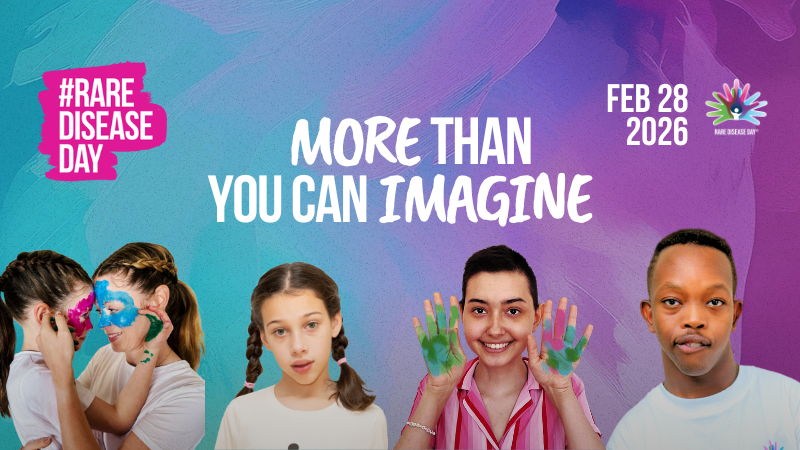
Every year, Rare Disease Day raises awareness of the 300 million people worldwide living with a rare disease. It is currently estimated that there are over 7,000 rare diseases, with new conditions continually being identified as research advances.
A disease is considered rare if it affects a small number of people. In the UK, a rare disease is defined as one that affects fewer than 1 in 2,000 people.
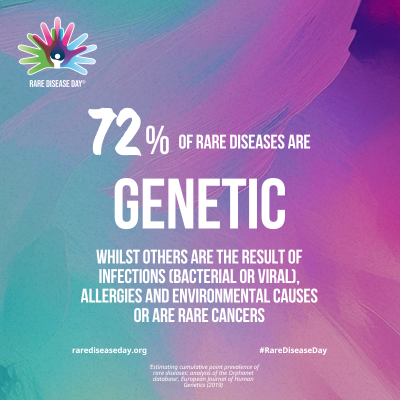
Around 72% of rare diseases are genetic, meaning they are caused by changes in genes. Some are inherited from parents, while others happen for the first time in a child.
Because rare diseases are uncommon, they can sometimes be difficult to diagnose. Doctors are trained to look for common conditions first. But for people living with a rare disease, this can mean delays in getting the right diagnosis, treatment and support.
What is a Rare Kidney Disease?
There are more than 150 different rare kidney diseases. While each condition is individually uncommon, together they affect many families.
- Around 70 in every 100,000 people live with a rare kidney disease.
- More than 10% of adults receiving dialysis or a kidney transplant have a rare kidney disease.
- Almost all children who need kidney replacement therapy (dialysis or transplant) have a rare kidney condition.
The most common rare kidney diseases include:
A full list of rare kidney conditions is available on the Rare Renal Disease Registry (RaDaR), the largest rare kidney disease registry in the world.
What Is an Inherited Kidney Disease?
An inherited (or hereditary) kidney disease is caused by a change in a gene that is passed from parent to child. About 8 in 10 rare kidney diseases are inherited.
Genes are the body’s instruction manual. They are made of DNA and tell our bodies how to grow and function. When a gene change (sometimes called a mutation) occurs, it can lead to disease. For example, changes in the PKD1 or PKD2 genes cause most cases of Polycystic Kidney Disease (PKD).
There are two main inheritance patterns:
What’s the Difference Between Rare and Inherited Kidney Diseases?
- Rare kidney disease is defined by how many people have it.
- Inherited kidney disease is defined by the cause — a gene change passed down in families.
There is a large overlap. Most rare kidney diseases are genetic, and most inherited kidney diseases are rare. However:
- Not all rare kidney diseases are inherited (some may be caused by immune conditions or infections).
- Not all genetic kidney diseases are inherited. Sometimes a gene change happens for the first time in a child. This is called a “new” (de novo) mutation.
The Challenges of Living with a Rare Disease
For many people with rare diseases, the journey to diagnosis and treatment is filled with difficulties, including:
Delayed or Incorrect Diagnosis – Many rare diseases, including PKD, share symptoms with more common conditions, leading to misdiagnosis. Without accurate identification, treatment is delayed, worsening health outcomes.
Limited Research and Treatment Options – With thousands of rare diseases and relatively small patient populations, research is often underfunded. This means fewer treatment options and, for many, no cure. In PKD, while treatments like Tolvaptan exist to slow cyst growth, there is still no cure. The recent ADPKD KDIGO guideline provides updated recommendations for managing ADPKD, offering hope for better treatment strategies.
Barriers to Healthcare – Accessing specialist care, treatments, and clinical trials can be challenging due to geographical and financial barriers. Many patients face high medical costs and difficulties finding doctors familiar with their condition.
Impact on Daily Life – Rare diseases are often chronic, progressive, and disabling, affecting not just physical health but also mental well-being. Patients and families experience significant emotional, social, and financial burdens.
Support Rare Disease Day - Share Your Colours!
Rare Disease Day shines a light on these challenges, advocating for better healthcare, increased research funding, and policies that improve the lives of those affected. The campaign aims to ensure equitable access to diagnosis, treatment, and support systems.
- Raise Awareness – Share this article or post on social media using #RareDiseaseDay and #PKD.
- Support Research – Donate to charities funding research into rare diseases like PKD.
- Advocate for Change – Encourage policymakers to prioritise rare disease research and healthcare access.
Get Your Rare Disease Day Supporter Materials
Help make a difference for those living with rare diseases, 28th February and beyond!

If you would like to speak to us about what support we can offer you or a loved one, please visit PKD Support or contact us today and speak to a member of our team.
- Hits: 2991